Bills · HR 3519
IN COMMITTEE· 119TH CONGRESS
House BillHR 3519Taxation
Universal School Choice Act
INTRO MAY 20· LAST ACTION MAY 20
READING
21MIN
COSPONSORS
2
READER REACTIONS0 TOTAL
NO VOTES YET · BE THE FIRST
- Introduced only
LEGISLATIVE PROGRESS
STEP 2 / 8Introduced
In Committee
Reported
Passed House
Passed Senate
Conference
To President
Became Law
WHAT THE BILL DOES
AI-writtenVoters should care about this bill because it introduces a significant shift in how private education and homeschooling can be funded, using federal tax incentives rather than direct government spending. If it becomes law, it could make private and religious school tuition, as well as homeschooling expenses, more accessible to a wider range of families who receive scholarships.
This could increase educational options for some students, but it also reduces federal tax revenue, which might impact other government programs. Without this bill, the federal government does not offer a specific tax credit for donations to K-12 scholarship organizations, meaning taxpayers would not receive this particular financial incentive for such contributions.
KEY PROVISIONS
4AI-extractedPROVISION 01
Allows a federal income tax credit for individuals who donate to non-profit organizations that provide K-12 education scholarships.
This provision creates a financial incentive for taxpayers to support educational choice through charitable giving.
PROVISION 02
Sets a limit on the tax credit for individuals to the greater of 10% of their adjusted gross income or $5,000 per year, and includes an overall 'volume cap' for the total credits allowed.
These limits control the total cost of the program to the federal government and how much individual taxpayers can benefit.
PROVISION 03
Defines 'qualified elementary or secondary education expenses' broadly to include tuition, books, online materials, tutoring, test fees, dual enrollment, educational therapies, and transportation for students in public, private, religious, or home schools.
This broad definition means scholarships can cover a wide array of educational costs, increasing the flexibility for families choosing different schooling options.
PROVISION 04
Requires scholarship granting organizations to be 501(c)(3) non-profits primarily focused on providing K-12 scholarships, maintaining separate accounts for qualified contributions, and giving scholarships to at least two students not all attending the same school.
These requirements aim to ensure that the organizations receiving tax-credit-eligible donations are legitimate and focused on their stated mission.
SPONSORSHIP
1 + 2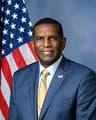
R· Utah
YRS IN OFFICE
5
BILLS LED
28
COSPONSOR BREAKDOWNBIPARTISAN · 0%
DEM 0 REP 2 IND 0
ACTION TIMELINE
2 EVENTSMAY 20
Introduced in House
MAY 20
Referred to the Committee on Ways and Means, and in addition to the Committee on Education and Workforce, for a period to be subsequently determined by the Speaker, in each case for consideration of such provisions as fall within the jurisdiction of the committee concerned.
BILL INFO
TypeHouse Bill
NumberHR 3519
Congress119th
StatusIn Committee
IntroducedMay 20, 2025
Last actionMay 20, 2025
READER REACTIONS
OVERALL SENTIMENT
No reactions yet. Be the first to weigh in.
Discussion
Loading comments...
IN COMMITTEE· 119TH CONGRESS · WAYS AND MEANS COMMITTEE · INTRODUCED MAY 20, 2025
House BillHR 3519Taxation
Universal School Choice Act
INTRODUCED MAY 20, 2025· LAST ACTION MAY 20, 2025
PASSAGE CHANCES
—%
READING
21 min
COSPONSORS
2
COMPLEXITY
Moderate