Bills · HR 3484
REPORTED· 119TH CONGRESS
House BillHR 3484Securities and Exchange Commission (SEC)Business records
Business Owners Protection Act of 2025
INTRO MAY 19· LAST ACTION NOV 4
READING
3MIN
COSPONSORS
7
READER REACTIONS0 TOTAL
NO VOTES YET · BE THE FIRST
- Reported, not passed
LEGISLATIVE PROGRESS
STEP 3 / 8Introduced
In Committee
Reported
Passed House
Passed Senate
Conference
To President
Became Law
WHAT THE BILL DOES
AI-writtenVoters should care because this bill impacts how much protection they have when dealing with financial services. If it becomes law, it means that if you have a disagreement with your stockbroker or investment advisor, you might be legally prevented from taking them to court and instead be forced into a private arbitration process, which some argue favors financial firms. It also means the SEC won't be able to issue new rules that would legally require all financial professionals to act solely in your best financial interest, potentially leaving you more vulnerable to conflicts of interest.
If this bill does *not* become law, the SEC would retain its existing powers under Dodd-Frank to potentially create rules that could limit mandatory arbitration and impose a universal fiduciary duty on financial professionals. These potential regulations would aim to provide stronger safeguards for investors, giving them more avenues for redress and ensuring their advisors are legally bound to prioritize their financial well-being above all else.
KEY PROVISIONS
3AI-extractedPROVISION 01
Repeals the SEC's authority to restrict or prohibit mandatory predispute arbitration agreements in financial contracts.
This means investors will likely continue to be bound by contract clauses that prevent them from suing financial firms in court, often requiring private arbitration instead.
PROVISION 02
Removes the SEC's specific authority to establish a 'fiduciary duty' standard of conduct for broker-dealers and investment advisers.
This limits the SEC's power to create new rules that would legally require financial professionals to act solely in their clients' best interests.
PROVISION 03
Eliminates other related SEC powers concerning standards of conduct for financial professionals.
This further reduces the SEC's ability to set comprehensive, legally binding conduct rules for the financial industry.
SPONSORSHIP
1 + 7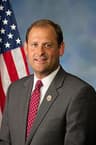
R· Kentucky
YRS IN OFFICE
13
BILLS LED
60
COSPONSOR BREAKDOWNBIPARTISAN · 0%
DEM 0 REP 7 IND 0
ACTION TIMELINE
6 EVENTSNOV 4
Reported (Amended) by the Committee on Financial Services. H. Rept. 119-363.
NOV 4
Placed on the Union Calendar, Calendar No. 315.
SEP 16
Committee Consideration and Mark-up Session Held
SEP 16
Ordered to be Reported (Amended) by the Yeas and Nays: 26 - 24.
BILL INFO
TypeHouse Bill
NumberHR 3484
Congress119th
StatusReported
IntroducedMay 19, 2025
Last actionNov 4, 2025
READER REACTIONS
OVERALL SENTIMENT
No reactions yet. Be the first to weigh in.
Discussion
Loading comments...
REPORTED· 119TH CONGRESS · FINANCIAL SERVICES COMMITTEE · INTRODUCED MAY 19, 2025
House BillHR 3484Securities and Exchange Commission (SEC)Business records
Business Owners Protection Act of 2025
INTRODUCED MAY 19, 2025· LAST ACTION NOV 4, 2025
PASSAGE CHANCES
—%
READING
3 min
COSPONSORS
7
COMPLEXITY
Moderate