Bills · HR 3474
REPORTED· 119TH CONGRESS
House BillHR 3474Government buildings, facilities, and propertyEnergy efficiency and conservation
Federal Mechanical Insulation Act
INTRO MAY 15· LAST ACTION FEB 4
READING
3MIN
COSPONSORS
36BIPARTISAN
READER REACTIONS0 TOTAL
NO VOTES YET · BE THE FIRST
- Reported, not passed
LEGISLATIVE PROGRESS
STEP 3 / 8Introduced
In Committee
Reported
Passed House
Passed Senate
Conference
To President
Became Law
WHAT THE BILL DOES
AI-writtenThis bill matters because it provides clarity and specific direction for how federal buildings can become more energy and water efficient. Currently, mechanical insulation might not be consistently recognized or prioritized by all agencies as a go-to energy-saving measure. By explicitly including it in the National Energy Conservation Policy Act, the bill ensures that agencies must consider and utilize this method.
If this bill becomes law, it could lead to widespread adoption of mechanical insulation in federal buildings, resulting in reduced utility bills, lower carbon emissions, and more efficient government operations. If it doesn't pass, the use of mechanical insulation for energy savings in federal buildings might remain inconsistent or underutilized, potentially missing out on significant energy and cost-saving opportunities.
KEY PROVISIONS
3AI-extractedPROVISION 01
Clarifies that installing mechanical insulation property is an energy or water efficiency measure for federal buildings.
This legitimizes mechanical insulation as a direct method for federal agencies to achieve energy and water savings.
PROVISION 02
Defines "mechanical insulation property" as insulation for mechanical systems that meets ASHRAE Standard 90.1 and reduces energy loss.
This sets a clear, quality standard for the type of insulation that qualifies under the bill.
PROVISION 03
Requires comprehensive energy and water evaluations in federal buildings to include the identification of mechanical insulation opportunities.
This ensures agencies actively look for and consider mechanical insulation projects when assessing building efficiency.
SPONSORSHIP
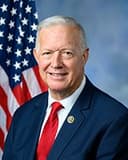
1 + 36
R· Texas
YRS IN OFFICE
13
BILLS LED
23
COSPONSOR BREAKDOWNBIPARTISAN · 100%
DEM 18 REP 18 IND 0
ACTION TIMELINE
9 EVENTSFEB 4
Reported by the Committee on Energy and Commerce. H. Rept. 119-481.
FEB 4
Placed on the Union Calendar, Calendar No. 411.
DEC 3
Committee Consideration and Mark-up Session Held
DEC 3
Ordered to be Reported by the Yeas and Nays: 51 - 0.
BILL INFO
TypeHouse Bill
NumberHR 3474
Congress119th
StatusReported
IntroducedMay 15, 2025
Last actionFeb 4, 2026
READER REACTIONS
OVERALL SENTIMENT
No reactions yet. Be the first to weigh in.
Discussion
Loading comments...
REPORTED· 119TH CONGRESS · ENERGY AND COMMERCE COMMITTEE · INTRODUCED MAY 15, 2025
House BillHR 3474Government buildings, facilities, and propertyEnergy efficiency and conservation
Federal Mechanical Insulation Act
INTRODUCED MAY 15, 2025· LAST ACTION FEB 4, 2026
PASSAGE CHANCES
—%
READING
3 min
COSPONSORS
36
COMPLEXITY
Moderate