Bills · HR 3459
IN COMMITTEE· 119TH CONGRESS
House BillHR 3459Transportation and Public Works
Empty Lots to Housing Act
INTRO MAY 15· LAST ACTION MAY 15
READING
3MIN
COSPONSORS
15BIPARTISAN
READER REACTIONS0 TOTAL
NO VOTES YET · BE THE FIRST
- Introduced only
LEGISLATIVE PROGRESS
STEP 2 / 8Introduced
In Committee
Reported
Passed House
Passed Senate
Conference
To President
Became Law
WHAT THE BILL DOES
AI-writtenThis bill matters because it addresses two significant issues: the shortage of affordable housing and the efficient use of public land. Many communities face a severe lack of housing that low and middle-income families can afford, often leading to long commutes, overcrowding, or homelessness. By allowing unused land, often acquired with taxpayer money, to be repurposed for housing instead of sitting vacant or being sold back to the federal government, it creates a direct path to increase housing supply where it's most needed.
If this bill becomes law, it could lead to the development of thousands of new affordable housing units in desirable, transit-accessible locations, making it easier for people to get to work and school. If it doesn't become law, these plots of land would likely continue to be sold or returned without specific affordable housing requirements, missing an opportunity to leverage existing public resources to tackle the housing crisis.
KEY PROVISIONS
4AI-extractedPROVISION 01
Allows states and local governments to transfer real property acquired with federal transportation assistance, if no longer needed, for transit-oriented dwelling units.
This provision frees up unused public land to be repurposed for housing instead of sitting vacant or being resold without specific housing goals.
PROVISION 02
Permits transfers to local governmental authorities, nonprofit organizations, or third-party entities for the development of transit-oriented dwelling units.
This broadens the types of organizations that can access this land, encouraging diverse approaches to housing development.
PROVISION 03
Requires that at least 40% of the housing units developed on the transferred land be reserved for 30 years for families earning 60% or less of the area median income (AMI), with rent capped at 30% of their income.
This ensures a significant portion of the new housing directly benefits low-income families, making a tangible impact on housing affordability.
PROVISION 04
Further specifies that, within that 40%, at least 20% of the total units must be for families earning 30% or less of the AMI.
This targets the most vulnerable populations, ensuring that extremely low-income families also benefit from the program.
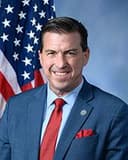
SPONSORSHIP
1 + 15
D· California
YRS IN OFFICE
3
BILLS LED
33
COSPONSOR BREAKDOWNBIPARTISAN · 53%
DEM 11 REP 4 IND 0
ACTION TIMELINE
3 EVENTSMAY 15
Introduced in House
MAY 15
Referred to the House Committee on Transportation and Infrastructure.
MAY 15
Referred to the Subcommittee on Highways and Transit.
BILL INFO
TypeHouse Bill
NumberHR 3459
Congress119th
StatusIn Committee
IntroducedMay 15, 2025
Last actionMay 15, 2025
READER REACTIONS
OVERALL SENTIMENT
No reactions yet. Be the first to weigh in.
Discussion
Loading comments...
IN COMMITTEE· 119TH CONGRESS · TRANSPORTATION AND INFRASTRUCTURE COMMITTEE · INTRODUCED MAY 15, 2025
House BillHR 3459Transportation and Public Works
Empty Lots to Housing Act
INTRODUCED MAY 15, 2025· LAST ACTION MAY 15, 2025
PASSAGE CHANCES
—%
READING
3 min
COSPONSORS
15
COMPLEXITY
Moderate