Bills · HR 3449
IN COMMITTEE· 119TH CONGRESS
House BillHR 3449Transportation and Public Works
Stronger Communities through Better Transit Act
INTRO MAY 15· LAST ACTION MAY 16
READING
14MIN
COSPONSORS
147
READER REACTIONS0 TOTAL
NO VOTES YET · BE THE FIRST
- Introduced only
LEGISLATIVE PROGRESS
STEP 2 / 8Introduced
In Committee
Reported
Passed House
Passed Senate
Conference
To President
Became Law
WHAT THE BILL DOES
AI-writtenMany communities across the United States face challenges in funding the operational costs of their public transportation systems, often leading to service cuts, reduced hours, or increased fares. This bill is important because it provides a dedicated source of federal funding specifically for these day-to-day operating expenses, rather than just for building new infrastructure.
If this bill becomes law, it would help transit agencies keep services running, make them more frequent, and expand access to areas that currently lack reliable public transport. This could lead to better job access, improved healthcare access, and reduced traffic congestion and pollution. If it doesn't pass, many transit systems might continue to struggle financially, potentially resulting in further service reductions or fare hikes, which would negatively impact residents who depend on public transit and slow progress toward more sustainable community development.
KEY PROVISIONS
5AI-extractedPROVISION 01
Establishes a new federal grant program to provide financial assistance for the operating costs of public transportation services.
This provides a dedicated federal funding stream for the daily expenses of running transit, which is often difficult for local agencies to secure.
PROVISION 02
Allocates funding to urbanized areas, states, and Indian Tribes based on their average annual operating costs, covering up to 50% of these costs.
This ensures a fair distribution of funds proportional to existing service needs and helps agencies cover a significant portion of their expenses.
PROVISION 03
Allows funds to be used for a wide range of service improvements, including decreasing wait times, expanding service hours or areas, improving reliability, and enhancing safety and customer information.
This gives transit agencies flexibility to invest in practical improvements that directly benefit riders and improve the quality of service.
PROVISION 04
Requires a majority of grant funds to be used for projects benefiting underserved communities or areas of persistent poverty.
This provision directs resources to communities most in need of improved public transportation access and equity.
PROVISION 05
Increases the federal share of project costs to up to 80% for operating assistance components in areas of persistent poverty or underserved communities.
This makes it significantly easier for financially strained communities to afford crucial transit improvements.
SPONSORSHIP
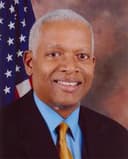
1 + 147
D· Georgia
YRS IN OFFICE
19
BILLS LED
22
COSPONSOR BREAKDOWNBIPARTISAN · 1%
DEM 146 REP 1 IND 0
ACTION TIMELINE
3 EVENTSMAY 16
Referred to the Subcommittee on Highways and Transit.
MAY 15
Introduced in House
MAY 15
Referred to the House Committee on Transportation and Infrastructure.
BILL INFO
TypeHouse Bill
NumberHR 3449
Congress119th
StatusIn Committee
IntroducedMay 15, 2025
Last actionMay 16, 2025
READER REACTIONS
OVERALL SENTIMENT
No reactions yet. Be the first to weigh in.
Discussion
Loading comments...
IN COMMITTEE· 119TH CONGRESS · TRANSPORTATION AND INFRASTRUCTURE COMMITTEE · INTRODUCED MAY 15, 2025
House BillHR 3449Transportation and Public Works
Stronger Communities through Better Transit Act
INTRODUCED MAY 15, 2025· LAST ACTION MAY 16, 2025
PASSAGE CHANCES
—%
READING
14 min
COSPONSORS
147
COMPLEXITY
Moderate