Bills · HR 3441
IN COMMITTEE· 119TH CONGRESS
House BillHR 3441Armed Forces and National Security
K2 Veterans Total Coverage Act of 2025
INTRO MAY 15· LAST ACTION JUN 6
READING
2MIN
COSPONSORS
2
READER REACTIONS0 TOTAL
NO VOTES YET · BE THE FIRST
- Introduced only
LEGISLATIVE PROGRESS
STEP 2 / 8Introduced
In Committee
Reported
Passed House
Passed Senate
Conference
To President
Became Law
WHAT THE BILL DOES
AI-writtenThis bill matters because it addresses a long-standing issue for veterans exposed to toxic substances during their military service: the difficulty of proving a direct link between their service and their later health problems. By creating a "presumption of service connection" for K2 veterans and a wide array of diseases, it removes a significant barrier to accessing essential healthcare and financial support from the VA.
Without this bill, K2 veterans would continue to face the challenging and often frustrating process of gathering extensive medical and service records to demonstrate a connection between their toxic exposure at K2 and their current ailments. If this bill becomes law, these veterans would receive the care and benefits they need more quickly and with less bureaucratic struggle, acknowledging the health risks they undertook while serving the country. If it doesn't pass, many K2 veterans may continue to struggle to prove their claims, potentially delaying or denying them vital medical care and financial assistance.
KEY PROVISIONS
3AI-extractedPROVISION 01
Establishes a "presumption of service connection" for veterans who served at Karshi Khanabad Air Base (K2) in Uzbekistan.
This makes it much easier for K2 veterans with covered illnesses to get VA benefits without needing to prove a direct link to their service.
PROVISION 02
Adds a new section to Title 38, United States Code, specifically listing the diseases presumed to be service-connected for K2 veterans.
This legally codifies the benefits for K2 veterans and clearly defines the conditions that qualify for presumptive status.
PROVISION 03
Includes a comprehensive list of diseases under the presumption, such as any cancer, thyroid, bone, cardiovascular, skin, neurological, reproductive, respiratory, endocrine, liver, kidney disease, blood disorders, primary immune regulatory disorders, medically unexplained chronic multisymptom illness, and cataracts.
The broad scope of included diseases covers many common ailments associated with toxic exposure, ensuring more veterans can receive care.
SPONSORSHIP
1 + 2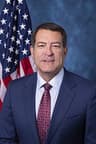
R· Tennessee
YRS IN OFFICE
7
BILLS LED
23
COSPONSOR BREAKDOWNBIPARTISAN · 0%
DEM 2 REP 0 IND 0
ACTION TIMELINE
3 EVENTSJUN 6
Referred to the Subcommittee on Disability Assistance and Memorial Affairs.
MAY 15
Introduced in House
MAY 15
Referred to the House Committee on Veterans' Affairs.
BILL INFO
TypeHouse Bill
NumberHR 3441
Congress119th
StatusIn Committee
IntroducedMay 15, 2025
Last actionJun 6, 2025
READER REACTIONS
OVERALL SENTIMENT
No reactions yet. Be the first to weigh in.
Discussion
Loading comments...
IN COMMITTEE· 119TH CONGRESS · VETERANS' AFFAIRS COMMITTEE · INTRODUCED MAY 15, 2025
House BillHR 3441Armed Forces and National Security
K2 Veterans Total Coverage Act of 2025
INTRODUCED MAY 15, 2025· LAST ACTION JUN 6, 2025
PASSAGE CHANCES
—%
READING
2 min
COSPONSORS
2
COMPLEXITY
Moderate