Bills · HR 3378
IN COMMITTEE· 119TH CONGRESS
House BillHR 3378AthletesVeterinary medicine and animal diseases
Racehorse Health and Safety Act of 2025
INTRO MAY 14· LAST ACTION MAY 14
READING
36MIN
COSPONSORS
4BIPARTISAN
READER REACTIONS0 TOTAL
NO VOTES YET · BE THE FIRST
- Introduced only
LEGISLATIVE PROGRESS
STEP 2 / 8Introduced
In Committee
Reported
Passed House
Passed Senate
Conference
To President
Became Law
WHAT THE BILL DOES
AI-writtenThis bill matters because it represents a major shift in who controls horse racing in the U.S. If it becomes law, it would repeal the federal law (HISA) that aimed to create national standards for horse safety and anti-doping. This new bill would push control back to the states, allowing them to form agreements to create their own uniform rules.
Voters should care because it affects the safety of racehorses and the fairness of the sport. If states successfully create and enforce strong, consistent rules through the compact, it could still protect horses and ensure fair competition. However, if states struggle to agree or enforce these rules, there could be inconsistencies in safety and medication standards, potentially impacting horse welfare and the public's trust in horse racing. It determines whether a federal or state-led approach is better for governing a sport with interstate commerce implications.
KEY PROVISIONS
5AI-extractedPROVISION 01
Repeals the Horseracing Integrity and Safety Act of 2020.
This removes federal oversight and regulation of horse racing, returning control to states.
PROVISION 02
Authorizes states to enter into an interstate compact.
This creates a legal framework for states to collectively establish uniform rules instead of federal mandates.
PROVISION 03
Allows the development and enforcement of uniform scientific medication control rules for all equine breeds.
This aims to ensure consistent standards for drug testing and medication use across participating states.
PROVISION 04
Allows the development and enforcement of uniform racetrack safety rules for all equine breeds.
This seeks to provide consistent safety protocols and conditions for horses and jockeys at racetracks.
PROVISION 05
Establishes a Racehorse Health and Safety Organization (RHSO).
This organization would likely be responsible for overseeing the rules and operations of the interstate compact.
SPONSORSHIP
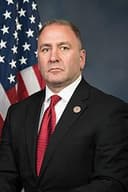
1 + 4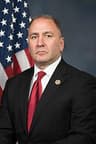
R· Louisiana
YRS IN OFFICE
9
BILLS LED
39
COSPONSOR BREAKDOWNBIPARTISAN · 50%
DEM 3 REP 1 IND 0
ACTION TIMELINE
2 EVENTSMAY 14
Introduced in House
MAY 14
Referred to the House Committee on Energy and Commerce.
BILL INFO
TypeHouse Bill
NumberHR 3378
Congress119th
StatusIn Committee
IntroducedMay 14, 2025
Last actionMay 14, 2025
READER REACTIONS
OVERALL SENTIMENT
No reactions yet. Be the first to weigh in.
Discussion
Loading comments...
IN COMMITTEE· 119TH CONGRESS · ENERGY AND COMMERCE COMMITTEE · INTRODUCED MAY 14, 2025
House BillHR 3378AthletesVeterinary medicine and animal diseases
Racehorse Health and Safety Act of 2025
INTRODUCED MAY 14, 2025· LAST ACTION MAY 14, 2025
PASSAGE CHANCES
—%
READING
36 min
COSPONSORS
4
COMPLEXITY
Moderate