Bills · HR 3347
IN COMMITTEE· 119TH CONGRESS
House BillHR 3347Emergency Management
Sovereign States Emergency Management Act
INTRO MAY 13· LAST ACTION MAY 14
READING
6MIN
COSPONSORS
0
READER REACTIONS0 TOTAL
NO VOTES YET · BE THE FIRST
- Introduced only
LEGISLATIVE PROGRESS
STEP 2 / 8Introduced
In Committee
Reported
Passed House
Passed Senate
Conference
To President
Became Law
WHAT THE BILL DOES
AI-writtenThis bill matters because it proposes a fundamental change in how the United States handles major disasters. Currently, FEMA plays a central role in coordinating the federal response, providing direct assistance to individuals and communities, and supporting states. If this bill becomes law, FEMA would be abolished, shifting the primary responsibility and funding for disaster management directly to the states.
Voters should care because the effectiveness of disaster response directly impacts lives, property, and economic recovery. Replacing a centralized federal agency with a state-run block grant system could lead to more tailored, localized responses, but it could also create inconsistencies in aid levels across different states. For example, a state with fewer resources or less effective planning might struggle more during a catastrophic event without direct federal intervention, while another state might thrive with more autonomy. This bill changes who is accountable and how resources are distributed, which could significantly alter how quickly and effectively communities recover from future emergencies.
KEY PROVISIONS
5AI-extractedPROVISION 01
Abolishes the Federal Emergency Management Agency (FEMA) two years after the bill is enacted.
This completely removes the federal agency currently responsible for disaster management and coordination.
PROVISION 02
Transfers all functions of FEMA to the President and directs unobligated FEMA funds to the U.S. Treasury to support the new grant program.
This centralizes federal disaster authority under the Executive Office of the President and reallocates existing funds.
PROVISION 03
Establishes a new block grant program through the Department of the Treasury to provide funds directly to states for natural disaster and emergency relief.
This creates a new, decentralized funding mechanism for disaster preparedness, response, and recovery, replacing FEMA's direct involvement.
PROVISION 04
Requires the Treasury Secretary to create a formula for allocating grant funds to states, considering factors like population, historical disaster data, geographic risk, and economic need.
This defines how federal disaster aid will be distributed, giving states varying amounts based on specific criteria.
PROVISION 05
Requires states to submit annual emergency management plans and reports on fund usage and outcomes to the Secretary of the Treasury to receive grants.
This ensures accountability and oversight for how states use federal disaster funds, but also places an administrative and planning burden on states.
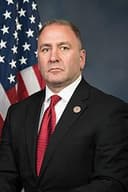
SPONSORSHIP
1 + 0
R· Louisiana
YRS IN OFFICE
9
BILLS LED
39
ACTION TIMELINE
5 EVENTSMAY 14
Referred to the Subcommittee on Emergency Management and Technology.
MAY 13
Introduced in House
MAY 13
Referred to the Committee on Transportation and Infrastructure, and in addition to the Committee on Homeland Security, for a period to be subsequently determined by the Speaker, in each case for consideration of such provisions as fall within the jurisdiction of the committee concerned.
MAY 13
Referred to the Subcommittee on Economic Development, Public Buildings, and Emergency Management.
BILL INFO
TypeHouse Bill
NumberHR 3347
Congress119th
StatusIn Committee
IntroducedMay 13, 2025
Last actionMay 14, 2025
READER REACTIONS
OVERALL SENTIMENT
No reactions yet. Be the first to weigh in.
Discussion
Loading comments...
IN COMMITTEE· 119TH CONGRESS · HOMELAND SECURITY COMMITTEE · INTRODUCED MAY 13, 2025
House BillHR 3347Emergency Management
Sovereign States Emergency Management Act
INTRODUCED MAY 13, 2025· LAST ACTION MAY 14, 2025
PASSAGE CHANCES
—%
READING
6 min
COSPONSORS
0
COMPLEXITY
Moderate