Bills · HR 3343
PASSED HOUSE· 119TH CONGRESS
House BillHR 3343SecuritiesLicensing and registrations
Greenlighting Growth Act
INTRO MAY 13· LAST ACTION JUL 22
READING
2MIN
COSPONSORS
1
READER REACTIONS0 TOTAL
NO VOTES YET · BE THE FIRST
- One chamber only
LEGISLATIVE PROGRESS
STEP 4 / 8Introduced
In Committee
Reported
Passed House
Passed Senate
Conference
To President
Became Law
WHAT THE BILL DOES
AI-writtenThis bill matters because it aims to make it less complicated and expensive for smaller, growing companies to go public and raise money. By reducing the amount of historical financial data they need to report for acquired businesses, it could encourage more emerging growth companies to enter the public markets.
If this bill becomes law, these companies could potentially bring products and services to market faster or expand more easily through acquisitions without getting bogged down by extensive historical reporting requirements for the acquired entity. If it doesn't become law, the current, more extensive reporting requirements for acquired companies would remain in place, which some argue can be a barrier to entry for smaller firms seeking to go public.
KEY PROVISIONS
3AI-extractedPROVISION 01
Emerging growth companies are no longer required to provide financial statements for acquired companies for periods prior to the earliest audited period of the EGC's initial public offering.
This significantly reduces the financial reporting burden for emerging growth companies when they acquire other businesses.
PROVISION 02
The relief from reporting requirements extends even after a company ceases to be an emerging growth company, for financial statements related to periods prior to its initial public offering.
This ensures consistent reporting standards apply to the historical financial data of acquired companies, even as the EGC grows.
PROVISION 03
The amendments apply to both the Securities Act of 1933 (for initial public offerings) and the Securities Exchange Act of 1934 (for listing securities on an exchange).
This provides broad regulatory relief across different stages of a company's journey into public markets.
SPONSORSHIP
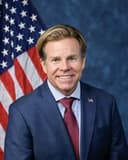
1 + 1
R· Florida
YRS IN OFFICE
1
BILLS LED
5
COSPONSOR BREAKDOWNBIPARTISAN · 0%
DEM 0 REP 1 IND 0
ACTION TIMELINE
13 EVENTSJUL 22
Received in the Senate and Read twice and referred to the Committee on Banking, Housing, and Urban Affairs.
JUL 21
Mr. Hill (AR) moved to suspend the rules and pass the bill, as amended.
JUL 21
Considered under suspension of the rules. (consideration: CR H3503-3504)
JUL 21
DEBATE - The House proceeded with forty minutes of debate on H.R. 3343.
BILL INFO
TypeHouse Bill
NumberHR 3343
Congress119th
StatusPassed House
IntroducedMay 13, 2025
Last actionJul 22, 2025
READER REACTIONS
OVERALL SENTIMENT
No reactions yet. Be the first to weigh in.
Discussion
Loading comments...
PASSED HOUSE· 119TH CONGRESS · FINANCIAL SERVICES COMMITTEE · INTRODUCED MAY 13, 2025
House BillHR 3343SecuritiesLicensing and registrations
Greenlighting Growth Act
INTRODUCED MAY 13, 2025· LAST ACTION JUL 22, 2025
PASSAGE CHANCES
—%
READING
2 min
COSPONSORS
1
COMPLEXITY
Moderate