Bills · HR 3282
IN COMMITTEE· 119TH CONGRESS
House BillHR 3282Civil Rights and Liberties, Minority Issues
Preventing Antisemitic Harassment on Campus Act of 2025
INTRO MAY 8· LAST ACTION MAY 8
READING
8MIN
COSPONSORS
0
READER REACTIONS0 TOTAL
NO VOTES YET · BE THE FIRST
- Introduced only
LEGISLATIVE PROGRESS
STEP 2 / 8Introduced
In Committee
Reported
Passed House
Passed Senate
Conference
To President
Became Law
WHAT THE BILL DOES
AI-writtenThis bill matters because it directly responds to concerns about rising antisemitism, particularly in educational settings. By explicitly adding "religion" to Title VI of the Civil Rights Act, it provides a clearer legal foundation for combating religious discrimination across a wide range of federally funded activities. For college campuses, it introduces a specific and forceful mechanism—financial penalties—to push institutions to take antisemitic harassment seriously and address it effectively. This could lead to a significant change in how colleges investigate, prevent, and respond to incidents affecting Jewish students and others.
If this bill becomes law, colleges may be more proactive in developing policies and procedures to combat antisemitism to avoid fines and public notifications. This could result in safer and more inclusive environments for Jewish students and those of other faiths. If it doesn't become law, existing anti-discrimination laws would remain in place, but without the specific definition of antisemitism, the explicit inclusion of "deliberate indifference to harassment," and the direct financial penalties tied to repeat violations, which some argue are insufficient to address current challenges.
KEY PROVISIONS
5AI-extractedPROVISION 01
Amends Title VI of the Civil Rights Act of 1964 to prohibit discrimination based on religion in any program or activity receiving federal financial assistance.
This broadens civil rights protections to explicitly include religion, ensuring all religious groups are protected from discrimination in federally funded programs.
PROVISION 02
Defines "discrimination" in higher education to include "deliberate indifference" to severe, pervasive, and objectively offensive harassment that undermines a victim's educational experience.
This clarifies that ignoring harmful harassment can be considered discrimination, requiring colleges to actively address such issues rather than just prohibiting overt acts.
PROVISION 03
Establishes a policy to enforce Title VI against antisemitism as rigorously as against all other forms of discrimination prohibited by the Act.
This explicitly prioritizes the fight against antisemitism, aiming to ensure it receives dedicated and robust attention under federal law.
PROVISION 04
Imposes escalating fines on institutions of higher education for repeat violations of Title VI related to antisemitic discrimination.
This provides a direct financial incentive for colleges to prevent and address antisemitic discrimination effectively, with higher penalties for repeated failures.
PROVISION 05
Requires colleges found in violation of Title VI regarding antisemitic discrimination to notify all enrolled students, faculty, and staff.
This increases transparency and accountability for institutions, informing the campus community about discrimination findings.
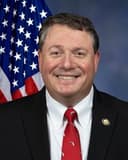
SPONSORSHIP
1 + 0
R· Florida
YRS IN OFFICE
1
BILLS LED
30
ACTION TIMELINE
2 EVENTSMAY 8
Introduced in House
MAY 8
Referred to the Committee on the Judiciary, and in addition to the Committee on Education and Workforce, for a period to be subsequently determined by the Speaker, in each case for consideration of such provisions as fall within the jurisdiction of the committee concerned.
BILL INFO
TypeHouse Bill
NumberHR 3282
Congress119th
StatusIn Committee
IntroducedMay 8, 2025
Last actionMay 8, 2025
READER REACTIONS
OVERALL SENTIMENT
No reactions yet. Be the first to weigh in.
Discussion
Loading comments...
IN COMMITTEE· 119TH CONGRESS · JUDICIARY COMMITTEE · INTRODUCED MAY 8, 2025
House BillHR 3282Civil Rights and Liberties, Minority Issues
Preventing Antisemitic Harassment on Campus Act of 2025
INTRODUCED MAY 8, 2025· LAST ACTION MAY 8, 2025
PASSAGE CHANCES
—%
READING
8 min
COSPONSORS
0
COMPLEXITY
Moderate