Bills · HR 3220
IN COMMITTEE· 119TH CONGRESS
House BillHR 3220Science, Technology, Communications
Quantum Sandbox for Near-Term Applications Act of 2025
INTRO MAY 6· LAST ACTION MAY 6
READING
3MIN
COSPONSORS
10BIPARTISAN
READER REACTIONS0 TOTAL
NO VOTES YET · BE THE FIRST
- Introduced only
LEGISLATIVE PROGRESS
STEP 2 / 8Introduced
In Committee
Reported
Passed House
Passed Senate
Conference
To President
Became Law
WHAT THE BILL DOES
AI-writtenThis bill matters because it focuses on turning cutting-edge, complex quantum science into practical tools that people and businesses can use in the near future. Right now, quantum computing is often seen as a futuristic technology, but this bill aims to bridge that gap by creating a dedicated program for 'near-term' applications, meaning those that can be developed and deployed relatively quickly, within two years.
If this bill becomes law, it could accelerate America's leadership in the global quantum race, potentially leading to new jobs, stronger economic security, and innovative solutions to challenges in various industries like healthcare, finance, and national defense. Without it, the development of practical quantum applications might proceed more slowly, potentially putting the U.S. at a disadvantage compared to other countries investing heavily in this technology, and delaying the real-world benefits that quantum advancements could offer.
KEY PROVISIONS
4AI-extractedPROVISION 01
Establishes a public-private partnership for quantum application development acceleration.
This formalizes collaboration between government, academia, and industry to drive innovation in quantum technology.
PROVISION 02
Requires the Secretary of Commerce, through the National Institute of Standards and Technology, to establish a 'quantum sandbox' program.
This creates a dedicated environment for testing and developing new quantum applications with a focus on practical use.
PROVISION 03
Focuses the quantum sandbox on 'near-term use cases,' defined as applications deployable within 24 months.
This ensures the program prioritizes practical and quickly deployable quantum solutions rather than long-term theoretical research.
PROVISION 04
Mandates engagement with entities like the Quantum Economic Development Consortium, National Laboratories, and federally funded research and development centers.
This leverages existing expertise and infrastructure within the U.S. quantum ecosystem to maximize the program's impact.
SPONSORSHIP
1 + 10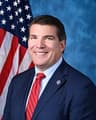
R· California
YRS IN OFFICE
5
BILLS LED
31
COSPONSOR BREAKDOWNBIPARTISAN · 60%
DEM 3 REP 7 IND 0
ACTION TIMELINE
2 EVENTSMAY 6
Introduced in House
MAY 6
Referred to the House Committee on Science, Space, and Technology.
BILL INFO
TypeHouse Bill
NumberHR 3220
Congress119th
StatusIn Committee
IntroducedMay 6, 2025
Last actionMay 6, 2025
READER REACTIONS
OVERALL SENTIMENT
No reactions yet. Be the first to weigh in.
Discussion
Loading comments...
IN COMMITTEE· 119TH CONGRESS · SCIENCE, SPACE, AND TECHNOLOGY COMMITTEE · INTRODUCED MAY 6, 2025
House BillHR 3220Science, Technology, Communications
Quantum Sandbox for Near-Term Applications Act of 2025
INTRODUCED MAY 6, 2025· LAST ACTION MAY 6, 2025
PASSAGE CHANCES
—%
READING
3 min
COSPONSORS
10
COMPLEXITY
Moderate