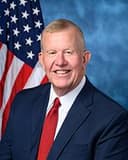
Bills · HR 3177
IN COMMITTEE· 119TH CONGRESS
House BillHR 3177Emergency Management
To require the Administrator of the Federal Emergency Management Agency to ensure that cost estimates, acquisition of proper materials, and any other activity related to certain projects under the Robert T. Stafford Disaster Relief and Emergency Assistance Act are performed by professionals licensed in the relevant State, and for other purposes.
INTRO MAY 5· LAST ACTION MAY 5
READING
3MIN
COSPONSORS
3BIPARTISAN
READER REACTIONS0 TOTAL
NO VOTES YET · BE THE FIRST
- Introduced only
LEGISLATIVE PROGRESS
STEP 2 / 8Introduced
In Committee
Reported
Passed House
Passed Senate
Conference
To President
Became Law
WHAT THE BILL DOES
AI-writtenThis bill matters because it changes how federal disaster recovery funds are managed and spent, especially for rebuilding public infrastructure. If this bill becomes law, it could lead to quicker and potentially higher-quality reconstruction efforts after disasters, as decisions would rest more heavily on the expertise of licensed local professionals rather than being subject to potential delays or disagreements with federal administrators. Voters should care because efficient and effective disaster recovery directly impacts their safety, property values, and access to essential public services after a catastrophe.
Without this bill, FEMA would retain its current level of oversight and discretion in reviewing and approving project plans, estimates, and material choices, which some argue can lead to delays or less-than-optimal rebuilding solutions. With the bill, the balance of authority shifts, potentially streamlining the process but also possibly introducing new challenges related to cost control or consistent application of federal standards.
KEY PROVISIONS
4AI-extractedPROVISION 01
Requires FEMA to use state-licensed professionals for preparing cost estimates and purchasing materials for public disaster recovery projects.
This ensures that critical project planning and procurement decisions are made by individuals with certified expertise in the specific state's conditions and regulations.
PROVISION 02
Limits FEMA's ability to disapprove plans, rebuilding proposals, or material suggestions made by state-licensed professionals, unless fraud is evident.
This provision gives state-licensed professionals more authority and autonomy, potentially speeding up projects and reducing bureaucratic hurdles.
PROVISION 03
Mandates that any FEMA employee directly managing a public rebuilding project must also be an appropriately licensed professional.
This ensures that FEMA's internal oversight and management of projects are also conducted by individuals with relevant professional qualifications.
PROVISION 04
States and local governments are responsible for hiring licensed professionals to develop the scope of work for these projects.
This places the initial responsibility for project definition and expertise at the local level, aligning with local needs and conditions.
SPONSORSHIP
1 + 3
R· Mississippi
YRS IN OFFICE
3
BILLS LED
29
COSPONSOR BREAKDOWNBIPARTISAN · 67%
DEM 1 REP 2 IND 0
ACTION TIMELINE
3 EVENTSMAY 5
Introduced in House
MAY 5
Referred to the House Committee on Transportation and Infrastructure.
MAY 5
Referred to the Subcommittee on Economic Development, Public Buildings, and Emergency Management.
BILL INFO
TypeHouse Bill
NumberHR 3177
Congress119th
StatusIn Committee
IntroducedMay 5, 2025
Last actionMay 5, 2025
READER REACTIONS
OVERALL SENTIMENT
No reactions yet. Be the first to weigh in.
Discussion
Loading comments...
IN COMMITTEE· 119TH CONGRESS · TRANSPORTATION AND INFRASTRUCTURE COMMITTEE · INTRODUCED MAY 5, 2025
House BillHR 3177Emergency Management
To require the Administrator of the Federal Emergency Management Agency to ensure that cost estimates, acquisition of proper materials, and any other activity related to certain projects under the Robert T. Stafford Disaster Relief and Emergency Assistance Act are performed by professionals licensed in the relevant State, and for other purposes.
INTRODUCED MAY 5, 2025· LAST ACTION MAY 5, 2025
PASSAGE CHANCES
—%
READING
3 min
COSPONSORS
3
COMPLEXITY
Moderate