Bills · HR 316
IN COMMITTEE· 119TH CONGRESS
House BillHR 316Emergency Management
Natural Disaster Recovery Program Act of 2025
INTRO JAN 9· LAST ACTION JAN 10
READING
19MIN
COSPONSORS
0
READER REACTIONS0 TOTAL
NO VOTES YET · BE THE FIRST
- Introduced only
LEGISLATIVE PROGRESS
STEP 2 / 8Introduced
In Committee
Reported
Passed House
Passed Senate
Conference
To President
Became Law
WHAT THE BILL DOES
AI-writtenVoters should care about this bill because it aims to make the federal government's response to natural disasters more efficient and effective. Currently, communities often face long delays and complex rules when trying to get federal assistance after a disaster, leading to slow recovery and prolonged suffering. This bill tries to fix that by creating a dedicated fund and giving states and tribes more direct control over how recovery money is spent, which could mean faster rebuilding, less bureaucratic red tape, and better-tailored support for local needs.
If this bill becomes law, communities hit by hurricanes, floods, wildfires, or other major disasters might see quicker access to resources and a more streamlined recovery process. This could significantly reduce the time it takes for people to return to their homes and for local economies to recover. If it doesn't pass, the existing system, which often draws criticism for its slowness and complexity, would remain in place, potentially continuing to frustrate recovery efforts across the country.
KEY PROVISIONS
5AI-extractedPROVISION 01
Establishes a Natural Disaster Recovery Reserve Fund in the U.S. Treasury to hold appropriated funds for major disaster recovery.
This creates a dedicated funding source specifically for disaster recovery, aiming to streamline and expedite assistance.
PROVISION 02
Requires the President to assess unmet needs within 90 days of a major disaster declaration by coordinating with federal agencies to gather comprehensive data.
This provision ensures a swift and comprehensive understanding of remaining recovery gaps, guiding funding allocation effectively.
PROVISION 03
Allocates funds proportionally to states and Indian tribes based on their unmet needs, allowing them to determine how funds are prioritized and spent without prior federal approval of a detailed spending plan.
This offers greater flexibility and local control over disaster recovery funds, potentially speeding up rebuilding efforts.
PROVISION 04
Includes a provision for a FEMA Emergency Home Repair Program (as listed in the table of contents).
This indicates a direct effort to assist individuals with critical home repairs after a disaster, addressing immediate housing needs.
PROVISION 05
Includes provisions for appeals of individuals and households program benefits (as listed in the table of contents).
This aims to improve fairness and transparency for individuals seeking assistance, allowing them to challenge aid decisions.
SPONSORSHIP
1 + 0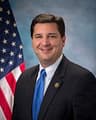
R· North Carolina
YRS IN OFFICE
11
BILLS LED
30
ACTION TIMELINE
3 EVENTSJAN 10
Referred to the Subcommittee on Economic Development, Public Buildings, and Emergency Management.
JAN 9
Introduced in House
JAN 9
Referred to the House Committee on Transportation and Infrastructure.
BILL INFO
TypeHouse Bill
NumberHR 316
Congress119th
StatusIn Committee
IntroducedJan 9, 2025
Last actionJan 10, 2025
READER REACTIONS
OVERALL SENTIMENT
No reactions yet. Be the first to weigh in.
Discussion
Loading comments...
IN COMMITTEE· 119TH CONGRESS · TRANSPORTATION AND INFRASTRUCTURE COMMITTEE · INTRODUCED JAN 9, 2025
House BillHR 316Emergency Management
Natural Disaster Recovery Program Act of 2025
INTRODUCED JAN 9, 2025· LAST ACTION JAN 10, 2025
PASSAGE CHANCES
—%
READING
19 min
COSPONSORS
0
COMPLEXITY
Moderate