Bills · HR 3105
IN COMMITTEE· 119TH CONGRESS
House BillHR 3105Taxation
Promotion and Expansion of Private Employee Ownership Act of 2025
INTRO APR 30· LAST ACTION APR 30
READING
9MIN
COSPONSORS
56BIPARTISAN
READER REACTIONS0 TOTAL
NO VOTES YET · BE THE FIRST
- Introduced only
LEGISLATIVE PROGRESS
STEP 2 / 8Introduced
In Committee
Reported
Passed House
Passed Senate
Conference
To President
Became Law
WHAT THE BILL DOES
AI-writtenThis bill matters because it seeks to expand a model of business ownership that supporters say offers benefits to both owners and employees. For business owners, it provides a potentially attractive way to sell their company, offering tax deferrals and allowing them to pass the business to those who helped build it – their employees. For employees, becoming an owner through an ESOP can mean gaining a retirement savings account tied to their company's success, potentially leading to greater job stability and wealth accumulation.
If this bill becomes law, more S corporations might consider transitioning to employee ownership due to the enhanced tax benefits and the removal of barriers for small businesses. This could mean more workers gaining a financial stake in their workplaces and potentially more stable local economies as businesses are retained rather than sold off or closed. If it doesn't become law, some existing tax incentives would remain less attractive or delayed, and employee-owned small businesses could continue to face challenges in accessing federal support programs, potentially limiting the growth of this ownership model.
KEY PROVISIONS
4AI-extractedPROVISION 01
Accelerates and expands a tax deferral for S corporation owners selling stock to an ESOP, making the tax benefit available sooner and removing a current limitation.
This makes it more financially attractive for current owners to sell their businesses to their employees through an ESOP.
PROVISION 02
Changes the Small Business Act so that a small business concern does not lose its "small business" status solely because an ESOP acquires more than 49% of its ownership.
This allows employee-owned small businesses to continue qualifying for important federal loans, programs, and preferences from the Small Business Administration.
PROVISION 03
Establishes an S Corporation Employee Ownership Assistance Office within the Treasury Department to provide education, outreach, and technical assistance to S corporations interested in ESOPs.
This creates a dedicated resource to help more businesses and individuals understand and implement employee ownership.
PROVISION 04
Establishes an Advocate for Employee Ownership within the Department of Labor to act as a liaison, provide public education, and help resolve disputes related to ESOPs.
This provides a specific contact point and support system for stakeholders involved in employee ownership.
SPONSORSHIP
1 + 56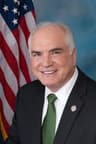
R· Pennsylvania
YRS IN OFFICE
15
BILLS LED
34
COSPONSOR BREAKDOWNBIPARTISAN · 84%
DEM 23 REP 32 IND 1
ACTION TIMELINE
2 EVENTSAPR 30
Introduced in House
APR 30
Referred to the Committee on Ways and Means, and in addition to the Committees on Small Business, and Education and Workforce, for a period to be subsequently determined by the Speaker, in each case for consideration of such provisions as fall within the jurisdiction of the committee concerned.
BILL INFO
TypeHouse Bill
NumberHR 3105
Congress119th
StatusIn Committee
IntroducedApr 30, 2025
Last actionApr 30, 2025
READER REACTIONS
OVERALL SENTIMENT
No reactions yet. Be the first to weigh in.
Discussion
Loading comments...
IN COMMITTEE· 119TH CONGRESS · WAYS AND MEANS COMMITTEE · INTRODUCED APR 30, 2025
House BillHR 3105Taxation
Promotion and Expansion of Private Employee Ownership Act of 2025
INTRODUCED APR 30, 2025· LAST ACTION APR 30, 2025
PASSAGE CHANCES
—%
READING
9 min
COSPONSORS
56
COMPLEXITY
Moderate