Bills · HR 3099
IN COMMITTEE· 119TH CONGRESS
House BillHR 3099Health
STOP Health Threats Act
INTRO APR 30· LAST ACTION APR 30
READING
2MIN
COSPONSORS
3
READER REACTIONS0 TOTAL
NO VOTES YET · BE THE FIRST
- Introduced only
LEGISLATIVE PROGRESS
STEP 2 / 8Introduced
In Committee
Reported
Passed House
Passed Senate
Conference
To President
Became Law
WHAT THE BILL DOES
AI-writtenThis bill matters because it addresses a gap in how public health threats are identified and handled, especially those hidden within our living spaces. Many serious health problems, from respiratory issues caused by mold to poisoning from lead paint or injuries from unsafe structures, can stem directly from ignored or violated building codes. Currently, law enforcement officers might encounter these situations without specific training to recognize the underlying health risks.
If this bill becomes law, local police officers would be equipped with the knowledge to identify these dangers, potentially preventing health crises before they escalate. This could lead to a proactive approach to public health, improving the safety of homes and communities. If the bill doesn't become law, the responsibility for identifying and addressing such threats might remain fragmented across various agencies, or go unaddressed, leaving residents vulnerable to preventable health hazards in their environment.
KEY PROVISIONS
4AI-extractedPROVISION 01
Directs the Secretary of Health and Human Services (HHS) to provide grants to local governments.
This establishes the federal funding mechanism to support local efforts in addressing public health threats.
PROVISION 02
Grant funds must be used to train local enforcement officers on public health threats arising from building code violations.
It focuses resources specifically on educating law enforcement to identify and respond to health hazards in buildings.
PROVISION 03
Local governments can use funds to develop training, partner with other governments, and coordinate with health departments or non-governmental organizations.
This ensures flexibility and encourages collaboration in creating effective training programs.
PROVISION 04
HHS will give priority to grant applicants with strong training capacity and those in areas where threats have already been identified.
This ensures that funds are directed towards communities most capable of using them effectively and where the need is greatest.
SPONSORSHIP
1 + 3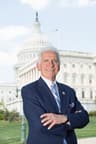
D· California
YRS IN OFFICE
21
BILLS LED
29
COSPONSOR BREAKDOWNBIPARTISAN · 0%
DEM 0 REP 3 IND 0
ACTION TIMELINE
3 EVENTSAPR 30
Introduced in House
APR 30
Referred to the House Committee on Transportation and Infrastructure.
APR 30
Referred to the Subcommittee on Economic Development, Public Buildings, and Emergency Management.
BILL INFO
TypeHouse Bill
NumberHR 3099
Congress119th
StatusIn Committee
IntroducedApr 30, 2025
Last actionApr 30, 2025
READER REACTIONS
OVERALL SENTIMENT
No reactions yet. Be the first to weigh in.
Discussion
Loading comments...
IN COMMITTEE· 119TH CONGRESS · TRANSPORTATION AND INFRASTRUCTURE COMMITTEE · INTRODUCED APR 30, 2025
House BillHR 3099Health
STOP Health Threats Act
INTRODUCED APR 30, 2025· LAST ACTION APR 30, 2025
PASSAGE CHANCES
—%
READING
2 min
COSPONSORS
3
COMPLEXITY
Moderate