Bills · HR 2974
IN COMMITTEE· 119TH CONGRESS
House BillHR 2974Agriculture and Food
Training and Nutrition Stability
INTRO APR 21· LAST ACTION APR 21
READING
1MIN
COSPONSORS
8BIPARTISAN
READER REACTIONS0 TOTAL
NO VOTES YET · BE THE FIRST
- Introduced only
LEGISLATIVE PROGRESS
STEP 2 / 8Introduced
In Committee
Reported
Passed House
Passed Senate
Conference
To President
Became Law
WHAT THE BILL DOES
AI-writtenThis bill matters because it removes a potential hurdle for people trying to improve their lives through education and job training. Under current rules, a person might receive payments for transportation, child care, or even a small stipend while in a training program, and these payments could reduce the amount of food assistance they receive, creating a disincentive to participate.
If this bill becomes law, individuals can pursue critical job skills and vocational rehabilitation without worrying that their efforts to secure future employment will immediately diminish their ability to afford food. If the bill does not pass, the current system continues, where some income from training programs counts against SNAP benefits, potentially making it harder for low-income individuals to access both necessary training and food assistance simultaneously.
KEY PROVISIONS
3AI-extractedPROVISION 01
Exempts income from certain workforce training and employment programs from being counted for SNAP benefit calculations.
This is the core change, ensuring that efforts to gain job skills do not reduce essential food aid.
PROVISION 02
Specifically includes vocational rehabilitation and refugee employment programs in the income exemption.
This broadens the scope of protection to include programs critical for specific vulnerable populations seeking employment.
PROVISION 03
Removes an existing subsection of the Food and Nutrition Act of 2008 that outlined rules for counting certain educational and training income.
This repeals previous, more restrictive language and paves the way for the new, more inclusive income exemption.
SPONSORSHIP
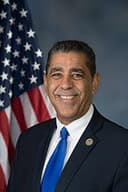
1 + 8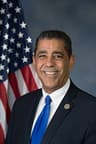
D· New York
YRS IN OFFICE
9
BILLS LED
47
COSPONSOR BREAKDOWNBIPARTISAN · 100%
DEM 4 REP 4 IND 0
ACTION TIMELINE
2 EVENTSAPR 21
Introduced in House
APR 21
Referred to the House Committee on Agriculture.
BILL INFO
TypeHouse Bill
NumberHR 2974
Congress119th
StatusIn Committee
IntroducedApr 21, 2025
Last actionApr 21, 2025
READER REACTIONS
OVERALL SENTIMENT
No reactions yet. Be the first to weigh in.
Discussion
Loading comments...
IN COMMITTEE· 119TH CONGRESS · AGRICULTURE COMMITTEE · INTRODUCED APR 21, 2025
House BillHR 2974Agriculture and Food
Training and Nutrition Stability
INTRODUCED APR 21, 2025· LAST ACTION APR 21, 2025
PASSAGE CHANCES
—%
READING
1 min
COSPONSORS
8
COMPLEXITY
Moderate