Bills · HR 2904
IN COMMITTEE· 119TH CONGRESS
House BillHR 2904Racial and ethnic relationsGovernment studies and investigations
Pursuing Equity in Mental Health Act
INTRO APR 10· LAST ACTION APR 10
READING
7MIN
COSPONSORS
41
READER REACTIONS0 TOTAL
NO VOTES YET · BE THE FIRST
- Introduced only
LEGISLATIVE PROGRESS
STEP 2 / 8Introduced
In Committee
Reported
Passed House
Passed Senate
Conference
To President
Became Law
WHAT THE BILL DOES
AI-writtenThis bill matters because it attempts to directly address known inequalities in mental health care access and outcomes for racial and ethnic minority groups, which often face unique challenges like structural bias and exposure to trauma. If this becomes law, it could lead to more funding for community organizations providing mental health services to these populations, ensuring care is more attuned to their cultural and linguistic needs.
It also aims to fill critical research gaps, providing a clearer picture of specific mental health challenges and how to overcome them. Without this bill, disparities in mental health care would likely continue unaddressed, leaving many individuals, especially young people in minority communities, without adequate support or culturally appropriate treatment options. By fostering better training for health professionals and launching public awareness campaigns, it seeks to improve both the quality of care and public perception of mental health within these communities.
KEY PROVISIONS
5AI-extractedPROVISION 01
Gives special consideration to grant applicants serving a high proportion of racial and ethnic minority groups for primary and behavioral health care services.
This aims to direct resources towards communities that may have historically faced barriers to accessing mental health care.
PROVISION 02
Increases authorized funding for the primary and behavioral health care grant program to $80 million annually for fiscal years 2026 through 2031.
This provides significantly more financial support for mental and behavioral health services in communities nationwide, extending the program for several years.
PROVISION 03
Requires a study by the National Academies to identify research gaps related to mental health disparities in racial and ethnic minority groups.
This aims to improve understanding of specific challenges and inform future, more effective interventions and policies.
PROVISION 04
Allows funds from a health professions fellowship program to be used for developing best practices and core competencies for training students on mental health disparities in racial and ethnic minority groups.
This aims to ensure future health care providers are better equipped to deliver culturally competent and equitable mental health care.
PROVISION 05
Mandates the development and implementation of a national outreach and education strategy to promote mental health and reduce stigma among racial and ethnic minority groups.
This seeks to directly address the societal and cultural barriers that often prevent individuals from seeking mental health support.
SPONSORSHIP
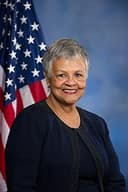
1 + 41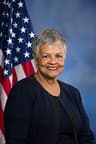
D· New Jersey
YRS IN OFFICE
11
BILLS LED
53
COSPONSOR BREAKDOWNBIPARTISAN · 0%
DEM 41 REP 0 IND 0
ACTION TIMELINE
2 EVENTSAPR 10
Introduced in House
APR 10
Referred to the House Committee on Energy and Commerce.
BILL INFO
TypeHouse Bill
NumberHR 2904
Congress119th
StatusIn Committee
IntroducedApr 10, 2025
Last actionApr 10, 2025
READER REACTIONS
OVERALL SENTIMENT
No reactions yet. Be the first to weigh in.
Discussion
Loading comments...
IN COMMITTEE· 119TH CONGRESS · ENERGY AND COMMERCE COMMITTEE · INTRODUCED APR 10, 2025
House BillHR 2904Racial and ethnic relationsGovernment studies and investigations
Pursuing Equity in Mental Health Act
INTRODUCED APR 10, 2025· LAST ACTION APR 10, 2025
PASSAGE CHANCES
—%
READING
7 min
COSPONSORS
41
COMPLEXITY
Moderate