Bills · HR 2842
IN COMMITTEE· 119TH CONGRESS
House BillHR 2842Foreign Trade and International Finance
Stop Raising Prices on Food Act
INTRO APR 10· LAST ACTION APR 10
READING
4MIN
COSPONSORS
1
READER REACTIONS0 TOTAL
NO VOTES YET · BE THE FIRST
- Introduced only
LEGISLATIVE PROGRESS
STEP 2 / 8Introduced
In Committee
Reported
Passed House
Passed Senate
Conference
To President
Became Law
WHAT THE BILL DOES
AI-writtenThis bill matters because it directly addresses the power dynamic between the President and Congress in setting trade policy, particularly concerning tariffs that can impact everyday prices. If it becomes law, it means that future Presidents would have less independent authority to impose new tariffs on major agricultural partners, requiring them to gain congressional approval first. This could lead to more stable trade relationships with these countries, as changes would require broader political consensus.
For voters, the real-world impact could be felt in grocery store aisles. Tariffs on imported goods can increase their cost, which businesses often pass on to consumers, contributing to higher food prices. By requiring congressional approval, the bill aims to prevent sudden, unilateral tariff decisions that could drive up food costs or provoke trade wars that harm American farmers and consumers. If the bill doesn't pass, the President retains the current broad authority to impose such tariffs without explicit congressional approval, potentially leading to more unpredictable trade policies and price fluctuations.
KEY PROVISIONS
4AI-extractedPROVISION 01
Requires presidential requests for new duties to include an objective, an explanation of why other solutions won't work, and an assessment of the impact on the U.S. agricultural economy.
This ensures that any proposed tariffs are thoroughly justified and their potential consequences are publicly evaluated before action is taken.
PROVISION 02
Limits the President's ability to impose new or additional duties on imports from the top five countries that purchase the most U.S. agricultural goods.
This directly restricts presidential power over specific trade partners crucial to American agriculture and food supply chains.
PROVISION 03
Mandates that any new or increased duties on these specific countries must be approved by a joint resolution of Congress.
This shifts significant power over trade policy from the Executive Branch to the Legislative Branch, requiring a shared decision.
PROVISION 04
Defines 'covered country' to include the five countries importing the highest volume of U.S. agricultural goods, treating the European Union as a single entity.
This clearly identifies which trade partners would be subject to the new limitations, focusing on major agricultural markets.
SPONSORSHIP
1 + 1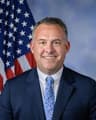
D· California
YRS IN OFFICE
1
BILLS LED
8
COSPONSOR BREAKDOWNBIPARTISAN · 0%
DEM 1 REP 0 IND 0
ACTION TIMELINE
2 EVENTSAPR 10
Introduced in House
APR 10
Referred to the Committee on Ways and Means, and in addition to the Committee on Rules, for a period to be subsequently determined by the Speaker, in each case for consideration of such provisions as fall within the jurisdiction of the committee concerned.
BILL INFO
TypeHouse Bill
NumberHR 2842
Congress119th
StatusIn Committee
IntroducedApr 10, 2025
Last actionApr 10, 2025
READER REACTIONS
OVERALL SENTIMENT
No reactions yet. Be the first to weigh in.
Discussion
Loading comments...
IN COMMITTEE· 119TH CONGRESS · WAYS AND MEANS COMMITTEE · INTRODUCED APR 10, 2025
House BillHR 2842Foreign Trade and International Finance
Stop Raising Prices on Food Act
INTRODUCED APR 10, 2025· LAST ACTION APR 10, 2025
PASSAGE CHANCES
—%
READING
4 min
COSPONSORS
1
COMPLEXITY
Moderate