Bills · HR 2776
IN COMMITTEE· 119TH CONGRESS
House BillHR 2776Health
Imported Seafood Quality Enforcement Act
INTRO APR 9· LAST ACTION APR 9
READING
8MIN
COSPONSORS
1
READER REACTIONS0 TOTAL
NO VOTES YET · BE THE FIRST
- Introduced only
LEGISLATIVE PROGRESS
STEP 2 / 8Introduced
In Committee
Reported
Passed House
Passed Senate
Conference
To President
Became Law
WHAT THE BILL DOES
AI-writtenVoters should care about this bill because it directly addresses the safety of the food they eat. Imported seafood makes up a large portion of the U.S. market, and concerns about its quality and safety are a real issue, with potential risks like contaminants, antibiotics, or unsanitary processing conditions leading to illness. If this bill becomes law, it aims to create a stronger line of defense against unsafe seafood, potentially leading to fewer foodborne illnesses and greater confidence in the seafood aisle.
Without this bill, the current inspection and testing protocols for imported seafood would remain as they are, which some argue are insufficient to catch all potential issues. The bill's passage would mean more proactive measures, such as annual foreign facility inspections and mandatory testing minimums, rather than primarily reactive responses to problems. This shift could significantly enhance public health protections, though it might also lead to higher seafood prices for consumers due to increased compliance costs for importers and producers.
KEY PROVISIONS
5AI-extractedPROVISION 01
Requires foreign countries to certify that their seafood production programs meet U.S. safety standards before their seafood can be imported.
This establishes a foundational requirement for entire countries to demonstrate safety equivalence, shifting the burden to exporting nations.
PROVISION 02
Mandates at least one annual inspection by U.S. officials of every foreign facility that exports seafood to the United States.
This provides direct, regular oversight of the actual production sites, beyond just checking product at the border.
PROVISION 03
Requires inspection and testing of not less than 20% of all seafood imported into the U.S. each year, with stricter rules for new exporters and repeat offenders.
This significantly increases the physical examination and laboratory testing of imported seafood, directly verifying its safety.
PROVISION 04
Stipulates that only U.S. ports of entry with personnel trained and certified to conduct seafood testing and inspection can receive imported seafood.
This ensures that customs and inspection processes are adequately staffed and equipped to handle the increased scrutiny of seafood imports.
PROVISION 05
Imposes fees on exporters to cover the costs of the inspection service, making the program self-sustaining from those who benefit from exporting to the U.S.
This provides a dedicated funding mechanism for the expanded inspection and testing activities without relying solely on taxpayer appropriations.
SPONSORSHIP
1 + 1
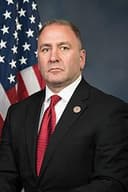
R· Louisiana
YRS IN OFFICE
9
BILLS LED
39
COSPONSOR BREAKDOWNBIPARTISAN · 0%
DEM 0 REP 1 IND 0
ACTION TIMELINE
2 EVENTSAPR 9
Introduced in House
APR 9
Referred to the House Committee on Energy and Commerce.
BILL INFO
TypeHouse Bill
NumberHR 2776
Congress119th
StatusIn Committee
IntroducedApr 9, 2025
Last actionApr 9, 2025
READER REACTIONS
OVERALL SENTIMENT
No reactions yet. Be the first to weigh in.
Discussion
Loading comments...
IN COMMITTEE· 119TH CONGRESS · ENERGY AND COMMERCE COMMITTEE · INTRODUCED APR 9, 2025
House BillHR 2776Health
Imported Seafood Quality Enforcement Act
INTRODUCED APR 9, 2025· LAST ACTION APR 9, 2025
PASSAGE CHANCES
—%
READING
8 min
COSPONSORS
1
COMPLEXITY
Moderate