Bills · HR 2716
REPORTED· 119TH CONGRESS
House BillHR 2716Intergovernmental relationsSocial security and elderly assistance
Ending Improper Payments to Deceased People Act
INTRO APR 8· LAST ACTION JAN 7
READING
3MIN
COSPONSORS
2
READER REACTIONS0 TOTAL
NO VOTES YET · BE THE FIRST
- Reported, not passed
LEGISLATIVE PROGRESS
STEP 3 / 8Introduced
In Committee
Reported
Passed House
Passed Senate
Conference
To President
Became Law
WHAT THE BILL DOES
AI-writtenThis bill matters because it directly addresses a persistent problem of government inefficiency and waste: sending payments to people who are no longer alive. By improving how federal agencies share information about deaths, it aims to prevent these improper payments from happening in the first place, and makes it easier to recover money that was wrongly paid. This could lead to better use of taxpayer dollars and more accurate government records.
If this bill becomes law, it means less money will be wasted on payments to deceased individuals, and there will be a clearer process for correcting errors if someone is mistakenly declared dead. If it doesn't pass, improper payments to deceased people could continue at current rates, potentially leading to continued government waste and administrative burdens for agencies and families trying to resolve financial issues after a death.
KEY PROVISIONS
4AI-extractedPROVISION 01
The Social Security Administration (SSA) must share death information with the "Do Not Pay working system" to prevent and recover improper payments.
This provision is significant because it aims to stop government funds from being mistakenly sent to deceased individuals.
PROVISION 02
The SSA can only record a death for data sharing purposes if there is "clear and convincing evidence" that the individual is deceased.
This provision is significant as it provides an important safeguard to protect living individuals from being mistakenly declared dead in government records.
PROVISION 03
If someone is incorrectly identified as deceased, the SSA must notify all agencies that received that incorrect information.
This provision is significant because it ensures that errors in death records are promptly corrected across all relevant government systems.
PROVISION 04
The SSA and the "Do Not Pay working system" must enter into an agreement covering the proportional share of State death data costs.
This provision is significant for establishing a sustainable and fair financial framework for the continuous exchange of critical death data.
SPONSORSHIP
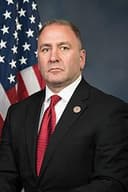
1 + 2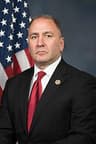
R· Louisiana
YRS IN OFFICE
9
BILLS LED
39
COSPONSOR BREAKDOWNBIPARTISAN · 0%
DEM 0 REP 2 IND 0
ACTION TIMELINE
6 EVENTSJAN 7
Reported (Amended) by the Committee on Ways and Means. H. Rept. 119-426.
JAN 7
Placed on the Union Calendar, Calendar No. 371.
DEC 10
Committee Consideration and Mark-up Session Held
DEC 10
Ordered to be Reported in the Nature of a Substitute (Amended) by the Yeas and Nays: 40 - 0.
BILL INFO
TypeHouse Bill
NumberHR 2716
Congress119th
StatusReported
IntroducedApr 8, 2025
Last actionJan 7, 2026
READER REACTIONS
OVERALL SENTIMENT
No reactions yet. Be the first to weigh in.
Discussion
Loading comments...
REPORTED· 119TH CONGRESS · WAYS AND MEANS COMMITTEE · INTRODUCED APR 8, 2025
House BillHR 2716Intergovernmental relationsSocial security and elderly assistance
Ending Improper Payments to Deceased People Act
INTRODUCED APR 8, 2025· LAST ACTION JAN 7, 2026
PASSAGE CHANCES
—%
READING
3 min
COSPONSORS
2
COMPLEXITY
Moderate