Bills · HR 2692
IN COMMITTEE· 119TH CONGRESS
House BillHR 2692Taxation
No Tax Breaks for Union Busting (NTBUB) Act
INTRO APR 7· LAST ACTION APR 7
READING
14MIN
COSPONSORS
133
READER REACTIONS0 TOTAL
NO VOTES YET · BE THE FIRST
- Introduced only
LEGISLATIVE PROGRESS
STEP 2 / 8Introduced
In Committee
Reported
Passed House
Passed Senate
Conference
To President
Became Law
WHAT THE BILL DOES
AI-writtenThis bill matters because it addresses whether U.S. taxpayers should indirectly support employer efforts to influence their workers regarding unions. Currently, when companies pay for things like anti-union consultants, these expenses are treated as normal business costs that can be deducted from their taxable income. This means the government, and therefore taxpayers, are essentially subsidizing these activities.
If this bill becomes law, companies would no longer get a tax break for these expenses, making it more costly for them to try to stop workers from organizing. This could lead to less employer interference in unionization efforts, potentially strengthening workers' rights to collective action without facing financially incentivized opposition. If the bill doesn't pass, the current system continues, allowing companies to deduct these expenses and effectively making taxpayer dollars contribute to these activities.
KEY PROVISIONS
3AI-extractedPROVISION 01
Amends Section 162(e)(1) of the Internal Revenue Code of 1986 to deny tax deductions for expenses incurred by employers to influence employees regarding labor organizations or activities.
This provision directly removes a financial incentive for employers to spend money on anti-union campaigns by making such expenses non-deductible.
PROVISION 02
Defines 'labor organization' by referring to existing law (Section 3 of the Labor-Management Reporting and Disclosure Act of 1959).
This ensures clarity and consistency in what constitutes a union under the context of this new tax rule.
PROVISION 03
Defines 'labor organization activity' to include labor organization elections, labor disputes, and collective actions, as well as other related activities identified by the Secretary of the Treasury.
This clarifies the scope of activities for which employers would no longer receive tax deductions, covering various aspects of unionization and worker collective action.
SPONSORSHIP
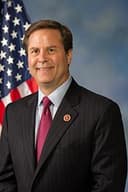
1 + 133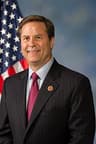
D· New Jersey
YRS IN OFFICE
11
BILLS LED
22
COSPONSOR BREAKDOWNBIPARTISAN · 0%
DEM 133 REP 0 IND 0
ACTION TIMELINE
2 EVENTSAPR 7
Introduced in House
APR 7
Referred to the House Committee on Ways and Means.
BILL INFO
TypeHouse Bill
NumberHR 2692
Congress119th
StatusIn Committee
IntroducedApr 7, 2025
Last actionApr 7, 2025
READER REACTIONS
OVERALL SENTIMENT
No reactions yet. Be the first to weigh in.
Discussion
Loading comments...
IN COMMITTEE· 119TH CONGRESS · WAYS AND MEANS COMMITTEE · INTRODUCED APR 7, 2025
House BillHR 2692Taxation
No Tax Breaks for Union Busting (NTBUB) Act
INTRODUCED APR 7, 2025· LAST ACTION APR 7, 2025
PASSAGE CHANCES
—%
READING
14 min
COSPONSORS
133
COMPLEXITY
Moderate