Bills · HR 2658
IN COMMITTEE· 119TH CONGRESS
House BillHR 2658International Affairs
Free Iraq from Iran Act
INTRO APR 3· LAST ACTION APR 3
READING
7MIN
COSPONSORS
2BIPARTISAN
READER REACTIONS0 TOTAL
NO VOTES YET · BE THE FIRST
- Introduced only
LEGISLATIVE PROGRESS
STEP 2 / 8Introduced
In Committee
Reported
Passed House
Passed Senate
Conference
To President
Became Law
WHAT THE BILL DOES
AI-writtenThis bill is significant because it would represent a more aggressive and formalized U.S. policy to counter Iran's power in Iraq. If it becomes law, it could lead to a significant reduction in Iran's influence over Iraqi politics and security forces, which supporters argue would strengthen Iraq's sovereignty and stability. It aims to directly weaken armed groups seen as destabilizing the region and threatening U.S. interests.
Conversely, critics might worry that conditioning or cutting off aid to the Iraqi government could destabilize it, potentially creating a vacuum that other malign actors could exploit, or that it could alienate the Iraqi government itself, making cooperation on other issues more difficult. It would also increase the U.S.'s direct involvement in monitoring and influencing Iraqi internal affairs. The bill reflects a broader geopolitical struggle for influence in the Middle East and could have lasting impacts on the U.S.-Iraq relationship and regional security.
KEY PROVISIONS
4AI-extractedPROVISION 01
Requires the Secretary of State, Treasury, and U.S. Agency for Global Media to develop an interagency strategy to counter Iran's influence in Iraq and dismantle Iran-backed militias.
This provision creates a comprehensive government-wide plan to address Iranian influence, ensuring a coordinated U.S. approach.
PROVISION 02
Mandates the Secretary of State to designate specific Iran-backed militias, including the Popular Mobilization Forces (PMF), as foreign terrorist organizations (FTOs).
This action imposes legal and financial restrictions on these groups, severely limiting their ability to operate internationally.
PROVISION 03
Prohibits U.S. security assistance to the Federal Government of Iraq unless Iran-backed militias are dismantled and removed from government, with a presidential waiver option.
This creates strong conditions on U.S. aid, pressuring the Iraqi government to act against specific militias.
PROVISION 04
Directs the Treasury Secretary to identify and impose sanctions on specific Iraqi political figures, judiciary members, and entities deemed agents or facilitators of Iran's influence in Iraq.
This targets individuals and organizations within Iraq who are perceived as enabling Iranian influence, aiming to disrupt their operations and finances.
SPONSORSHIP
1 + 2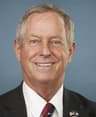
R· South Carolina
YRS IN OFFICE
24
BILLS LED
35
COSPONSOR BREAKDOWNBIPARTISAN · 100%
DEM 1 REP 1 IND 0
ACTION TIMELINE
2 EVENTSAPR 3
Introduced in House
APR 3
Referred to the Committee on Foreign Affairs, and in addition to the Committees on the Judiciary, and Intelligence (Permanent Select), for a period to be subsequently determined by the Speaker, in each case for consideration of such provisions as fall within the jurisdiction of the committee concerned.
BILL INFO
TypeHouse Bill
NumberHR 2658
Congress119th
StatusIn Committee
IntroducedApr 3, 2025
Last actionApr 3, 2025
READER REACTIONS
OVERALL SENTIMENT
No reactions yet. Be the first to weigh in.
Discussion
Loading comments...
IN COMMITTEE· 119TH CONGRESS · INTELLIGENCE (PERMANENT SELECT) COMMITTEE · INTRODUCED APR 3, 2025
House BillHR 2658International Affairs
Free Iraq from Iran Act
INTRODUCED APR 3, 2025· LAST ACTION APR 3, 2025
PASSAGE CHANCES
—%
READING
7 min
COSPONSORS
2
COMPLEXITY
Moderate