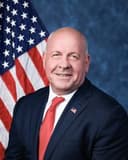
Bills · HR 2583
IN COMMITTEE· 119TH CONGRESS
House BillHR 2583Racial and ethnic relationsCongressional oversight
College Admissions Accountability Act of 2025
INTRO APR 1· LAST ACTION APR 1
READING
11MIN
COSPONSORS
1
READER REACTIONS0 TOTAL
NO VOTES YET · BE THE FIRST
- Introduced only
LEGISLATIVE PROGRESS
STEP 2 / 8Introduced
In Committee
Reported
Passed House
Passed Senate
Conference
To President
Became Law
WHAT THE BILL DOES
AI-writtenVoters should care about this bill because it aims to ensure fairness and equal opportunity in college admissions, a process many see as a gateway to future success. If this bill becomes law, it would establish a dedicated federal body focused solely on rooting out discrimination in higher education, potentially leading to more rigorous oversight of how colleges make their admissions and financial aid decisions. This could mean a more consistent application of anti-discrimination laws across the country, particularly in the wake of the Supreme Court's 2023 ruling against race-conscious admissions.
Without this bill, investigations into potential discrimination in college admissions would continue to fall under existing civil rights enforcement mechanisms, which may not be as specialized or focused specifically on the issues raised by the recent Supreme Court decision. The creation of this new office reflects a legislative effort to enhance accountability and enforcement in this specific area, addressing concerns that some institutions may not be fully complying with the spirit and letter of anti-discrimination laws as interpreted by the judiciary.
KEY PROVISIONS
5AI-extractedPROVISION 01
Establishes the Office of the Special Inspector General for Unlawful Discrimination in Higher Education within the Department of Education.
This creates a new, dedicated federal entity to investigate discrimination complaints specifically related to higher education, signaling a focused enforcement effort.
PROVISION 02
The Special Inspector General will investigate allegations of unlawful discrimination in admissions, financial aid, or academic programs by colleges receiving federal funds.
This provision clarifies the core investigative duties of the new office, targeting specific areas where discrimination might occur.
PROVISION 03
Investigations will focus on violations of the Equal Protection Clause (as per the 2023 Supreme Court ruling) and Title VI of the Civil Rights Act of 1964.
This defines the legal framework and specific anti-discrimination principles the Special Inspector General will enforce, directly addressing recent legal precedents.
PROVISION 04
The Special Inspector General can recommend remedial actions for colleges, disciplinary actions for employees, and changes to a college's federal funding eligibility.
This grants the office significant power to influence institutional practices and potentially impose consequences for non-compliance, ensuring accountability.
PROVISION 05
The office will also review federal policies that might incentivize unlawful discrimination and suggest reforms.
This allows for a broader look at systemic issues beyond individual institutional behavior, aiming to prevent future discrimination through policy changes.
SPONSORSHIP
1 + 1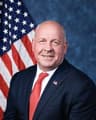
R· Ohio
YRS IN OFFICE
1
BILLS LED
36
COSPONSOR BREAKDOWNBIPARTISAN · 0%
DEM 0 REP 1 IND 0
ACTION TIMELINE
2 EVENTSAPR 1
Introduced in House
APR 1
Referred to the House Committee on Education and Workforce.
BILL INFO
TypeHouse Bill
NumberHR 2583
Congress119th
StatusIn Committee
IntroducedApr 1, 2025
Last actionApr 1, 2025
READER REACTIONS
OVERALL SENTIMENT
No reactions yet. Be the first to weigh in.
Discussion
Loading comments...
IN COMMITTEE· 119TH CONGRESS · EDUCATION AND WORKFORCE COMMITTEE · INTRODUCED APR 1, 2025
House BillHR 2583Racial and ethnic relationsCongressional oversight
College Admissions Accountability Act of 2025
INTRODUCED APR 1, 2025· LAST ACTION APR 1, 2025
PASSAGE CHANCES
—%
READING
11 min
COSPONSORS
1
COMPLEXITY
Moderate