Bills · HR 2574
IN COMMITTEE· 119TH CONGRESS
House BillHR 2574International Affairs
No Iranian Energy Act
INTRO APR 1· LAST ACTION APR 1
READING
2MIN
COSPONSORS
21
READER REACTIONS0 TOTAL
NO VOTES YET · BE THE FIRST
- Introduced only
LEGISLATIVE PROGRESS
STEP 2 / 8Introduced
In Committee
Reported
Passed House
Passed Senate
Conference
To President
Became Law
WHAT THE BILL DOES
AI-writtenVoters should care because this bill represents a significant push to intensify economic pressure on Iran, aiming to curb its regional influence and nuclear ambitions by targeting a key source of revenue. If this bill becomes law, it could force Iraq to quickly find new, potentially more expensive, energy sources, which might lead to higher electricity costs or more frequent power outages for Iraqi citizens. This could also destabilize Iraq, a U.S. partner, if its energy sector is severely disrupted.
Conversely, if the bill doesn't pass, Iran will continue to earn revenue from its natural gas exports, maintaining a source of funding that the U.S. views as problematic, and Iraq can continue its current energy arrangements without U.S. penalties. The bill also signals the U.S. Congress's commitment to using economic tools in its foreign policy towards Iran.
KEY PROVISIONS
3AI-extractedPROVISION 01
Amends the Iran Freedom and Counter-Proliferation Act to specifically include natural gas transactions under existing U.S. sanctions.
This expands the scope of U.S. economic penalties to a previously less targeted sector of Iran's economy.
PROVISION 02
Declares it a "Sense of Congress" that the U.S. should focus sanctions on Iran's emerging gas industry.
This clearly signals Congress's intent to pressure Iran's gas sector, guiding future policy and enforcement.
PROVISION 03
Applies sanctions to the sale, supply, or transfer of natural gas to or from Iran.
This targets both Iranian exports and any imports that might benefit Iran, covering various types of transactions.
SPONSORSHIP
1 + 21
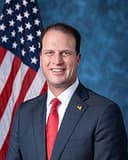
R· Texas
YRS IN OFFICE
5
BILLS LED
62
COSPONSOR BREAKDOWNBIPARTISAN · 0%
DEM 0 REP 21 IND 0
ACTION TIMELINE
2 EVENTSAPR 1
Introduced in House
APR 1
Referred to the Committee on Foreign Affairs, and in addition to the Committees on Financial Services, Ways and Means, Oversight and Government Reform, and the Judiciary, for a period to be subsequently determined by the Speaker, in each case for consideration of such provisions as fall within the jurisdiction of the committee concerned.
BILL INFO
TypeHouse Bill
NumberHR 2574
Congress119th
StatusIn Committee
IntroducedApr 1, 2025
Last actionApr 1, 2025
READER REACTIONS
OVERALL SENTIMENT
No reactions yet. Be the first to weigh in.
Discussion
Loading comments...
IN COMMITTEE· 119TH CONGRESS · OVERSIGHT AND GOVERNMENT REFORM COMMITTEE · INTRODUCED APR 1, 2025
House BillHR 2574International Affairs
No Iranian Energy Act
INTRODUCED APR 1, 2025· LAST ACTION APR 1, 2025
PASSAGE CHANCES
—%
READING
2 min
COSPONSORS
21
COMPLEXITY
Moderate