Bills · HR 2524
IN COMMITTEE· 119TH CONGRESS
House BillHR 2524Economics and Public Finance
REPEAL CBO Requirements Act
INTRO MAR 31· LAST ACTION MAR 31
READING
3MIN
COSPONSORS
1
READER REACTIONS0 TOTAL
NO VOTES YET · BE THE FIRST
- Introduced only
LEGISLATIVE PROGRESS
STEP 2 / 8Introduced
In Committee
Reported
Passed House
Passed Senate
Conference
To President
Became Law
WHAT THE BILL DOES
AI-writtenVoters should care about this bill because it proposes a significant change to how the financial impacts of new laws are assessed. The Congressional Budget Office (CBO) currently serves as an independent, non-partisan source of budget and economic analysis for Congress, providing a consistent standard for evaluating legislative costs.
If this bill becomes law, it would introduce an alternative, potentially varied, source for these critical estimates. This could lead to different cost projections for similar legislation, potentially making it harder to compare bills or maintain consistent budget discipline. Depending on the firms chosen and their methodologies, it might also affect transparency and public trust in the budget process. If it doesn't pass, the CBO would continue to be the primary and often sole source for official cost estimates for legislation, maintaining the current system of independent analysis.
KEY PROVISIONS
4AI-extractedPROVISION 01
Allows committee chairs in the House and Senate (excluding Appropriations committees) to obtain bill cost estimates from private reputable accounting firms.
This fundamentally alters the long-standing practice of relying solely on the Congressional Budget Office for such estimates.
PROVISION 02
Specifies that estimates from private accounting firms would be used in place of CBO estimates for all budget enforcement purposes.
This provision means the private estimates would have the same legal weight as CBO estimates for adhering to budget rules and laws.
PROVISION 03
States that if a private firm's estimate is obtained, the Congressional Budget Office is not required to prepare its own estimate for that bill.
This clarifies that the CBO's role would be completely bypassed for bills where an alternative estimate is sought.
PROVISION 04
Defines 'private reputable accounting firm' as one of the ten public accounting firms with the largest net revenue in the previous year, registered with the Public Company Accounting Oversight Board.
This sets specific criteria for which private firms are eligible to provide these official estimates.
SPONSORSHIP
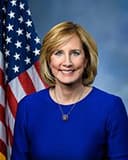
1 + 1
R· New York
YRS IN OFFICE
9
BILLS LED
80
COSPONSOR BREAKDOWNBIPARTISAN · 0%
DEM 0 REP 1 IND 0
ACTION TIMELINE
2 EVENTSMAR 31
Introduced in House
MAR 31
Referred to the Committee on Rules, and in addition to the Committee on the Budget, for a period to be subsequently determined by the Speaker, in each case for consideration of such provisions as fall within the jurisdiction of the committee concerned.
BILL INFO
TypeHouse Bill
NumberHR 2524
Congress119th
StatusIn Committee
IntroducedMar 31, 2025
Last actionMar 31, 2025
READER REACTIONS
OVERALL SENTIMENT
No reactions yet. Be the first to weigh in.
Discussion
Loading comments...
IN COMMITTEE· 119TH CONGRESS · BUDGET COMMITTEE · INTRODUCED MAR 31, 2025
House BillHR 2524Economics and Public Finance
REPEAL CBO Requirements Act
INTRODUCED MAR 31, 2025· LAST ACTION MAR 31, 2025
PASSAGE CHANCES
—%
READING
3 min
COSPONSORS
1
COMPLEXITY
Moderate