Bills · HR 2522
IN COMMITTEE· 119TH CONGRESS
House BillHR 2522Government Operations and Politics
To designate the area between the intersections of 18th Street Northwest and Church Street Northwest, and 18th Street Northwest and P Street Northwest, in the District of Columbia as "Jimmy Lai Way", and for other purposes.
INTRO MAR 31· LAST ACTION MAR 31
READING
7MIN
COSPONSORS
3BIPARTISAN
READER REACTIONS0 TOTAL
NO VOTES YET · BE THE FIRST
- Introduced only
LEGISLATIVE PROGRESS
STEP 2 / 8Introduced
In Committee
Reported
Passed House
Passed Senate
Conference
To President
Became Law
WHAT THE BILL DOES
AI-writtenVoters should care about this bill because it signifies the U.S. government's stance on human rights, freedom of the press, and democracy, particularly in the context of China's actions in Hong Kong. By renaming a street in the nation's capital, the U.S. makes a visible and symbolic statement of support for a prominent individual perceived as a political prisoner, and it condemns what it views as the erosion of freedoms in Hong Kong.
If this bill becomes law, it will establish a permanent reminder in Washington D.C. of the U.S.'s concern for democracy in Hong Kong, and it could put additional pressure on the U.S. State Department to prioritize advocacy and potential sanctions related to human rights abuses there. If it doesn't pass, the street name will remain unchanged, and the strong symbolic message about Jimmy Lai's case and Hong Kong's freedoms would not be formally enshrined in the nation's capital.
KEY PROVISIONS
5AI-extractedPROVISION 01
Designates the area between the intersections of 18th Street Northwest and Church Street Northwest, and 18th Street Northwest and P Street Northwest in the District of Columbia as "Jimmy Lai Way".
This provision creates a physical, symbolic tribute in the U.S. capital to a figure seen as a champion of democracy and press freedom.
PROVISION 02
Redesignates the address of 1520 18th Street Northwest in the District of Columbia as "1 Jimmy Lai Way Northwest".
This makes a specific address reflect the new street designation, solidifying the name change.
PROVISION 03
Formally condemns the unjust imprisonment, mistreatment, and 'show trial' of Jimmy Lai in Hong Kong.
This expresses the official position of the U.S. Congress regarding Jimmy Lai's situation and the actions of Hong Kong authorities.
PROVISION 04
Calls upon Hong Kong authorities to immediately and unconditionally release Jimmy Lai and cease prosecuting others under the National Security Law.
This provision outlines specific actions Congress believes Hong Kong authorities should take to address human rights concerns.
PROVISION 05
Urges the Secretary of State to advocate for Jimmy Lai's release and consider using financial sanctions from the Hong Kong Human Rights and Democracy Act and the Hong Kong Autonomy Act.
This provision pushes the U.S. government to take concrete diplomatic and potentially punitive measures in response to Jimmy Lai's detention.
SPONSORSHIP
1 + 3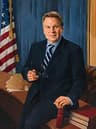
R· New Jersey
YRS IN OFFICE
45
BILLS LED
61
COSPONSOR BREAKDOWNBIPARTISAN · 66%
DEM 2 REP 1 IND 0
ACTION TIMELINE
2 EVENTSMAR 31
Introduced in House
MAR 31
Referred to the Committee on Oversight and Government Reform, and in addition to the Committee on Foreign Affairs, for a period to be subsequently determined by the Speaker, in each case for consideration of such provisions as fall within the jurisdiction of the committee concerned.
BILL INFO
TypeHouse Bill
NumberHR 2522
Congress119th
StatusIn Committee
IntroducedMar 31, 2025
Last actionMar 31, 2025
READER REACTIONS
OVERALL SENTIMENT
No reactions yet. Be the first to weigh in.
Discussion
Loading comments...
IN COMMITTEE· 119TH CONGRESS · OVERSIGHT AND GOVERNMENT REFORM COMMITTEE · INTRODUCED MAR 31, 2025
House BillHR 2522Government Operations and Politics
To designate the area between the intersections of 18th Street Northwest and Church Street Northwest, and 18th Street Northwest and P Street Northwest, in the District of Columbia as "Jimmy Lai Way", and for other purposes.
INTRODUCED MAR 31, 2025· LAST ACTION MAR 31, 2025
PASSAGE CHANCES
—%
READING
7 min
COSPONSORS
3
COMPLEXITY
Moderate