Bills · HR 2402
IN COMMITTEE· 119TH CONGRESS
House BillHR 2402Agriculture and Food
No Hungry Kids in Schools Act
INTRO MAR 27· LAST ACTION MAR 27
READING
2MIN
COSPONSORS
24
READER REACTIONS0 TOTAL
NO VOTES YET · BE THE FIRST
- Introduced only
LEGISLATIVE PROGRESS
STEP 2 / 8Introduced
In Committee
Reported
Passed House
Passed Senate
Conference
To President
Became Law
WHAT THE BILL DOES
AI-writtenThis bill matters because it could significantly expand access to free school meals for children across participating states. If states choose to participate, it means more children will receive nutritious meals without charge, which can improve their health, ability to concentrate in class, and academic performance. It also streamlines operations for schools and removes the stigma often associated with receiving free or reduced-price meals, as all students in these schools would receive meals for free.
If this bill does not become law, the current Community Eligibility Provision would remain in place, requiring individual schools or districts to meet specific low-income thresholds to offer universal free meals. This means many schools, particularly those in areas with mixed income levels, would continue to require meal applications and might not be able to offer free meals to all students.
KEY PROVISIONS
4AI-extractedPROVISION 01
Creates an option for states to establish a statewide program where all applicable schools can offer free breakfast and lunch to all students.
This greatly expands the potential reach of universal free school meals from individual schools or districts to an entire state.
PROVISION 02
Requires states opting into this program to use their own non-federal funds to ensure schools receive the full free meal reimbursement rate for every meal served.
This places the financial responsibility for expanding universal free meals to all students on state governments.
PROVISION 03
Eliminates the typical requirement for individual schools to have a minimum percentage of low-income students to qualify for universal free meals if the state covers the costs.
This removes a significant barrier, allowing schools in any income area to provide universal free meals if their state participates.
PROVISION 04
Allows the percentage of low-income students to be calculated across all participating schools in the state, rather than at the individual school or district level.
This provides states with flexibility in meeting federal eligibility criteria, potentially making it easier to qualify for federal reimbursement for a larger number of meals.
SPONSORSHIP
1 + 24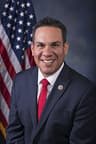
D· California
YRS IN OFFICE
11
BILLS LED
17
COSPONSOR BREAKDOWNBIPARTISAN · 0%
DEM 24 REP 0 IND 0
ACTION TIMELINE
2 EVENTSMAR 27
Introduced in House
MAR 27
Referred to the House Committee on Education and Workforce.
BILL INFO
TypeHouse Bill
NumberHR 2402
Congress119th
StatusIn Committee
IntroducedMar 27, 2025
Last actionMar 27, 2025
READER REACTIONS
OVERALL SENTIMENT
No reactions yet. Be the first to weigh in.
Discussion
Loading comments...
IN COMMITTEE· 119TH CONGRESS · EDUCATION AND WORKFORCE COMMITTEE · INTRODUCED MAR 27, 2025
House BillHR 2402Agriculture and Food
No Hungry Kids in Schools Act
INTRODUCED MAR 27, 2025· LAST ACTION MAR 27, 2025
PASSAGE CHANCES
—%
READING
2 min
COSPONSORS
24
COMPLEXITY
Moderate