Bills · HR 2193
REPORTED· 119TH CONGRESS
House BillHR 2193Government employee pay, benefits, personnel managementHealth care costs and insurance
FEHB Protection Act of 2025
INTRO MAR 18· LAST ACTION MAR 25
READING
6MIN
COSPONSORS
2
READER REACTIONS0 TOTAL
NO VOTES YET · BE THE FIRST
- Reported, not passed
LEGISLATIVE PROGRESS
STEP 3 / 8Introduced
In Committee
Reported
Passed House
Passed Senate
Conference
To President
Became Law
WHAT THE BILL DOES
AI-writtenVoters should care about this bill because it aims to ensure that a large federal program, funded by both taxpayer dollars and employee contributions, is operating efficiently and fairly. If this bill becomes law, it could reduce instances of ineligible individuals receiving federal health benefits, potentially saving taxpayer money and ensuring the program's resources are used appropriately. It addresses concerns about waste, fraud, and abuse in government benefits programs.
Without this bill, the current processes for verifying eligibility might remain less stringent, potentially allowing ineligible individuals to continue receiving benefits. This bill changes that by mandating more rigorous checks and audits, which could lead to greater accountability and a stronger financial footing for the FEHB program, but also might introduce additional administrative steps for employees and the government.
KEY PROVISIONS
5AI-extractedPROVISION 01
Requires OPM to issue regulations and implement a process to verify qualifying life events when adding family members to a health plan.
This aims to prevent ineligible individuals from being added to federal health plans through false claims of major life events.
PROVISION 02
Requires OPM to implement a process to verify that any individual added to a health plan, including during open season, is a qualifying family member.
This ensures that all individuals covered under the federal health insurance program meet eligibility requirements.
PROVISION 03
Mandates a comprehensive 3-year audit of family member eligibility, requiring review of documents like marriage and birth certificates.
This broad review will identify and address existing instances of ineligible individuals covered by the program.
PROVISION 04
Requires OPM to develop a process to disenroll or remove any individual found to be ineligible for coverage.
This provides a clear mechanism for removing individuals who do not meet the program's eligibility criteria.
PROVISION 05
Authorizes specific funding for OPM and its Inspector General to develop, maintain, and oversee enrollment and eligibility systems, and to conduct the required audits.
This provides the necessary financial resources for OPM to implement and maintain these new verification and oversight measures.
SPONSORSHIP
1 + 2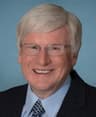
R· Wisconsin
YRS IN OFFICE
11
BILLS LED
36
COSPONSOR BREAKDOWNBIPARTISAN · 0%
DEM 0 REP 2 IND 0
ACTION TIMELINE
4 EVENTSMAR 25
Committee Consideration and Mark-up Session Held
MAR 25
Ordered to be Reported (Amended) by the Yeas and Nays: 29 - 15.
MAR 18
Introduced in House
MAR 18
Referred to the House Committee on Oversight and Government Reform.
BILL INFO
TypeHouse Bill
NumberHR 2193
Congress119th
StatusReported
IntroducedMar 18, 2025
Last actionMar 25, 2025
READER REACTIONS
OVERALL SENTIMENT
No reactions yet. Be the first to weigh in.
Discussion
Loading comments...
REPORTED· 119TH CONGRESS · OVERSIGHT AND GOVERNMENT REFORM COMMITTEE · INTRODUCED MAR 18, 2025
House BillHR 2193Government employee pay, benefits, personnel managementHealth care costs and insurance
FEHB Protection Act of 2025
INTRODUCED MAR 18, 2025· LAST ACTION MAR 25, 2025
PASSAGE CHANCES
—%
READING
6 min
COSPONSORS
2
COMPLEXITY
Moderate