Bills · HR 2183
IN COMMITTEE· 119TH CONGRESS
House BillHR 2183Finance and Financial Sector
CFPB Dual Mandate and Economic Analysis Act
INTRO MAR 18· LAST ACTION MAR 18
READING
3MIN
COSPONSORS
0
READER REACTIONS0 TOTAL
NO VOTES YET · BE THE FIRST
- Introduced only
LEGISLATIVE PROGRESS
STEP 2 / 8Introduced
In Committee
Reported
Passed House
Passed Senate
Conference
To President
Became Law
WHAT THE BILL DOES
AI-writtenThis bill is important because it fundamentally alters the mission and operational approach of the Consumer Financial Protection Bureau, a key agency designed to safeguard consumers in the financial market. If it becomes law, the CFPB would not only protect consumers from unfair practices but would also explicitly aim to boost private sector involvement and competition, with a focus on less government intervention. This shift could mean a change in how the CFPB prioritizes consumer protections versus market forces, potentially affecting everything from credit card fees to mortgage terms.
The creation of the Office of Economic Analysis and the requirements for rigorous, public reviews of both proposed and existing rules would introduce a new layer of accountability and data-driven decision-making. Voters should care because this could lead to financial regulations being more thoroughly vetted for their economic impacts, potentially leading to more efficient markets but also potentially slowing down the creation of new consumer protections if economic impacts are seen as a barrier. Conversely, if the bill doesn't become law, the CFPB's mission would remain as currently defined, primarily focused on fair, transparent, and competitive markets without the explicit mandate to prioritize private sector growth and without the specific new economic analysis requirements.
KEY PROVISIONS
5AI-extractedPROVISION 01
Changes the core purpose of the Consumer Financial Protection Bureau (CFPB) to remove "competitive" from its initial mandate and add a new focus on strengthening private sector participation in markets without government interference.
This fundamentally alters the primary goals the CFPB must consider when making and enforcing financial regulations, potentially shifting its focus.
PROVISION 02
Establishes an Office of Economic Analysis within the CFPB.
This creates a dedicated unit within the agency to conduct in-depth economic research on proposed and existing regulations.
PROVISION 03
Requires the Office of Economic Analysis to review all proposed CFPB guidance, orders, rules, and regulations, assessing their impact on consumer choice, price, and access to credit, and to publish these assessments.
This ensures that all new regulatory actions undergo a thorough economic impact review before implementation, providing more transparency.
PROVISION 04
Mandates the Office of Economic Analysis to periodically review existing CFPB rules (after 1, 2, 5, and 10 years) to measure their success in solving the problems they were intended to address, and to publish these findings.
This introduces a mechanism for retrospective review and accountability, ensuring that regulations are effective and addressing their original goals.
PROVISION 05
Requires the CFPB Director to consider the Office of Economic Analysis's findings before issuing any regulation, and to publicly explain any disagreements with those findings.
This makes the economic analysis a required part of the decision-making process and introduces public accountability if the Director chooses to disregard it.
SPONSORSHIP
1 + 0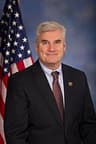
R· Minnesota
YRS IN OFFICE
11
BILLS LED
10
ACTION TIMELINE
2 EVENTSMAR 18
Introduced in House
MAR 18
Referred to the House Committee on Financial Services.
BILL INFO
TypeHouse Bill
NumberHR 2183
Congress119th
StatusIn Committee
IntroducedMar 18, 2025
Last actionMar 18, 2025
READER REACTIONS
OVERALL SENTIMENT
No reactions yet. Be the first to weigh in.
Discussion
Loading comments...
IN COMMITTEE· 119TH CONGRESS · FINANCIAL SERVICES COMMITTEE · INTRODUCED MAR 18, 2025
House BillHR 2183Finance and Financial Sector
CFPB Dual Mandate and Economic Analysis Act
INTRODUCED MAR 18, 2025· LAST ACTION MAR 18, 2025
PASSAGE CHANCES
—%
READING
3 min
COSPONSORS
0
COMPLEXITY
Moderate