Bills · HR 2176
IN COMMITTEE· 119TH CONGRESS
House BillHR 2176Civil actions and liabilityWildlife conservation and habitat protection
Saving NEMO Act of 2025
INTRO MAR 18· LAST ACTION MAR 18
READING
14MIN
COSPONSORS
2
READER REACTIONS0 TOTAL
NO VOTES YET · BE THE FIRST
- Introduced only
LEGISLATIVE PROGRESS
STEP 2 / 8Introduced
In Committee
Reported
Passed House
Passed Senate
Conference
To President
Became Law
WHAT THE BILL DOES
AI-writtenVoters should care about this bill because healthy coral reefs are vital for ocean ecosystems, supporting a quarter of all marine life, protecting coastlines, and providing economic benefits through tourism and fisheries. Many marine reef species, including corals and tropical fish, are threatened by overcollection for the aquarium trade, habitat destruction, and climate change. If this bill becomes law, it would provide new protections for vulnerable reef species by making it illegal to take them from U.S. waters or engage in their international trade unless specific conditions are met, particularly regarding sustainable practices and avoiding destructive collection. Without such a law, these species could continue to decline, further damaging delicate reef ecosystems and potentially impacting related industries and coastal communities.
KEY PROVISIONS
4AI-extractedPROVISION 01
The Secretary of the Interior, with input from the Secretary of Commerce, will designate certain marine reef species as 'covered species' if they are already internationally recognized as vulnerable or if their collection/trade poses a substantial risk to their survival or the reef ecosystem.
This establishes which specific animals and corals will be protected under the new law, focusing on those most at risk.
PROVISION 02
It will be illegal to catch 'covered species' in U.S. waters or to import/export them into or out of the United States, or to possess/sell them if illegally obtained.
This directly prohibits activities that could harm these vulnerable species, aiming to reduce overcollection and illegal trade.
PROVISION 03
Exceptions are provided for 'covered species' that are taken under scientific management plans, come from certified breeding/aquaculture programs, or are used for scientific/educational purposes, but these exceptions do not apply if destructive collection practices were used.
This allows for legitimate activities while ensuring that even permitted collection adheres to responsible and non-destructive methods.
PROVISION 04
Violations of these prohibitions can result in significant civil penalties (up to $25,000 per violation), criminal fines, imprisonment (up to 2 years for businesses or false statements), and potential bans on importing/exporting.
These penalties are designed to deter illegal activities and ensure compliance with the new protections.
SPONSORSHIP
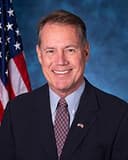
1 + 2
D· Hawaii
YRS IN OFFICE
24
BILLS LED
32
COSPONSOR BREAKDOWNBIPARTISAN · 0%
DEM 2 REP 0 IND 0
ACTION TIMELINE
2 EVENTSMAR 18
Introduced in House
MAR 18
Referred to the Committee on Natural Resources, and in addition to the Committees on Ways and Means, and Foreign Affairs, for a period to be subsequently determined by the Speaker, in each case for consideration of such provisions as fall within the jurisdiction of the committee concerned.
BILL INFO
TypeHouse Bill
NumberHR 2176
Congress119th
StatusIn Committee
IntroducedMar 18, 2025
Last actionMar 18, 2025
READER REACTIONS
OVERALL SENTIMENT
No reactions yet. Be the first to weigh in.
Discussion
Loading comments...
IN COMMITTEE· 119TH CONGRESS · WAYS AND MEANS COMMITTEE · INTRODUCED MAR 18, 2025
House BillHR 2176Civil actions and liabilityWildlife conservation and habitat protection
Saving NEMO Act of 2025
INTRODUCED MAR 18, 2025· LAST ACTION MAR 18, 2025
PASSAGE CHANCES
—%
READING
14 min
COSPONSORS
2
COMPLEXITY
Moderate