Bills · HR 2174
REPORTED· 119TH CONGRESS
House BillHR 2174Government employee pay, benefits, personnel managementLabor-management relations
Paycheck Protection Act
INTRO MAR 18· LAST ACTION MAR 25
READING
2MIN
COSPONSORS
2
READER REACTIONS0 TOTAL
NO VOTES YET · BE THE FIRST
- Reported, not passed
LEGISLATIVE PROGRESS
STEP 3 / 8Introduced
In Committee
Reported
Passed House
Passed Senate
Conference
To President
Became Law
WHAT THE BILL DOES
AI-writtenVoters should care about this bill because it changes a long-standing practice for how federal employees financially support their labor organizations. If this bill becomes law, it would shift the responsibility for paying union dues and contributions entirely to the individual employee, potentially making it more cumbersome for some to maintain their membership or support.
This change could also impact the financial stability and operational capacity of federal labor unions by making it harder for them to collect funds, which in turn could affect their ability to advocate for their members. If the bill does not become law, the current system of voluntary payroll deductions for union dues and contributions would continue, allowing employees the convenience of automatic payments through their employer.
KEY PROVISIONS
2AI-extractedPROVISION 01
Amends Title 5 of the U.S. Code to prohibit federal agencies from deducting labor organization dues, fees, or political contributions from employee pay.
This provision ends the practice of automatic payroll deductions for union-related payments for most federal employees, requiring them to manage these payments directly.
PROVISION 02
Amends Title 39 of the U.S. Code to prohibit the U.S. Postal Service from deducting labor organization dues, fees, or political contributions from employee pay.
This specifically extends the prohibition on automatic payroll deductions to employees of the U.S. Postal Service, a major federal employer.
SPONSORSHIP
1 + 2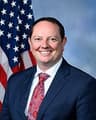
R· Missouri
YRS IN OFFICE
3
BILLS LED
26
COSPONSOR BREAKDOWNBIPARTISAN · 0%
DEM 0 REP 2 IND 0
ACTION TIMELINE
4 EVENTSMAR 25
Committee Consideration and Mark-up Session Held
MAR 25
Ordered to be Reported (Amended) by the Yeas and Nays: 23 - 21.
MAR 18
Introduced in House
MAR 18
Referred to the House Committee on Oversight and Government Reform.
BILL INFO
TypeHouse Bill
NumberHR 2174
Congress119th
StatusReported
IntroducedMar 18, 2025
Last actionMar 25, 2025
READER REACTIONS
OVERALL SENTIMENT
No reactions yet. Be the first to weigh in.
Discussion
Loading comments...
REPORTED· 119TH CONGRESS · OVERSIGHT AND GOVERNMENT REFORM COMMITTEE · INTRODUCED MAR 18, 2025
House BillHR 2174Government employee pay, benefits, personnel managementLabor-management relations
Paycheck Protection Act
INTRODUCED MAR 18, 2025· LAST ACTION MAR 25, 2025
PASSAGE CHANCES
—%
READING
2 min
COSPONSORS
2
COMPLEXITY
Moderate