Bills · HR 2115
IN COMMITTEE· 119TH CONGRESS
House BillHR 2115International Affairs
Ending China’s Unfair Advantage Act of 2025
INTRO MAR 14· LAST ACTION MAR 14
READING
3MIN
COSPONSORS
2
READER REACTIONS0 TOTAL
NO VOTES YET · BE THE FIRST
- Introduced only
LEGISLATIVE PROGRESS
STEP 2 / 8Introduced
In Committee
Reported
Passed House
Passed Senate
Conference
To President
Became Law
WHAT THE BILL DOES
AI-writtenVoters should care about this bill because it connects U.S. participation in major global environmental efforts to how China is classified within those agreements. If passed, it would immediately halt U.S. financial contributions to international initiatives designed to protect the ozone layer and combat climate change, potentially reducing resources available for these critical global issues. The funding would only resume if other nations agree to change China's status, which could be a lengthy and complex diplomatic process.
This bill reflects a broader debate about fairness and responsibility in international agreements, particularly regarding large economies like China that are still sometimes categorized as "developing" despite their significant economic growth and environmental impact. If this bill becomes law, the U.S. would exert financial leverage to push for a reclassification of China, potentially altering international environmental diplomacy and funding flows. If it doesn't pass, U.S. funding to these protocols would continue under existing conditions, allowing the current definitions for China to remain unchallenged by this specific mechanism.
KEY PROVISIONS
3AI-extractedPROVISION 01
Prohibits federal funding for the Montreal Protocol until the President certifies that the Protocol's parties have removed China from their definition of developing countries.
This directly ties U.S. financial support for ozone layer protection to China's status in the agreement.
PROVISION 02
Prohibits federal funding for the United Nations Framework Convention on Climate Change (UNFCCC) until the President certifies that the Convention's parties have included China in Annex I (developed countries).
This links U.S. climate finance contributions to how China is categorized within the global climate change framework.
PROVISION 03
Defines "appropriate congressional committees" as specific committees in the Senate and House that the President must certify to.
This clarifies the specific recipients of the presidential certification, ensuring proper oversight.
SPONSORSHIP
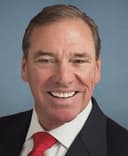
1 + 2
R· Florida
YRS IN OFFICE
9
BILLS LED
28
COSPONSOR BREAKDOWNBIPARTISAN · 0%
DEM 0 REP 2 IND 0
ACTION TIMELINE
2 EVENTSMAR 14
Introduced in House
MAR 14
Referred to the Committee on Foreign Affairs, and in addition to the Committee on Energy and Commerce, for a period to be subsequently determined by the Speaker, in each case for consideration of such provisions as fall within the jurisdiction of the committee concerned.
BILL INFO
TypeHouse Bill
NumberHR 2115
Congress119th
StatusIn Committee
IntroducedMar 14, 2025
Last actionMar 14, 2025
READER REACTIONS
OVERALL SENTIMENT
No reactions yet. Be the first to weigh in.
Discussion
Loading comments...
IN COMMITTEE· 119TH CONGRESS · FOREIGN AFFAIRS COMMITTEE · INTRODUCED MAR 14, 2025
House BillHR 2115International Affairs
Ending China’s Unfair Advantage Act of 2025
INTRODUCED MAR 14, 2025· LAST ACTION MAR 14, 2025
PASSAGE CHANCES
—%
READING
3 min
COSPONSORS
2
COMPLEXITY
Moderate