Bills · HR 2093
IN COMMITTEE· 119TH CONGRESS
House BillHR 2093Environmental Protection
To amend the Federal Water Pollution Control Act with respect to permitting terms, and for other purposes.
INTRO MAR 14· LAST ACTION MAR 14
READING
1MIN
COSPONSORS
2BIPARTISAN
READER REACTIONS0 TOTAL
NO VOTES YET · BE THE FIRST
- Introduced only
LEGISLATIVE PROGRESS
STEP 2 / 8Introduced
In Committee
Reported
Passed House
Passed Senate
Conference
To President
Became Law
WHAT THE BILL DOES
AI-writtenVoters should care about this bill because it impacts how frequently government bodies review the permits that allow states and cities to discharge into our water systems. If this bill becomes law, states and municipalities could operate for longer periods—up to 10 years—without renewing their permits. This could potentially reduce administrative burdens and costs for public entities, allowing them to focus resources elsewhere.
However, it also means that the environmental conditions and discharge practices of these public entities would be formally reviewed less often by regulators, only once a decade instead of twice. If the bill does not pass, all permits would continue to generally be limited to a maximum of five years, ensuring more frequent regulatory review of discharges from both public and private sources.
KEY PROVISIONS
3AI-extractedPROVISION 01
Extends the maximum term for pollutant discharge permits issued to states and municipalities to 10 years.
This significantly reduces the frequency with which public entities must apply for and renew these environmental permits.
PROVISION 02
Maintains the maximum term for pollutant discharge permits issued to all other entities, such as private companies, at 5 years.
This clarifies that the existing five-year limit continues to apply to private sector dischargers.
PROVISION 03
Includes several minor technical corrections to improve the clarity and consistency of the Federal Water Pollution Control Act.
These changes ensure the law is easier to read and apply without altering its core meaning.
SPONSORSHIP
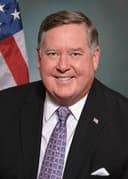
1 + 2
R· California
YRS IN OFFICE
33
BILLS LED
26
COSPONSOR BREAKDOWNBIPARTISAN · 100%
DEM 1 REP 1 IND 0
ACTION TIMELINE
3 EVENTSMAR 14
Introduced in House
MAR 14
Referred to the House Committee on Transportation and Infrastructure.
MAR 14
Referred to the Subcommittee on Water Resources and Environment.
BILL INFO
TypeHouse Bill
NumberHR 2093
Congress119th
StatusIn Committee
IntroducedMar 14, 2025
Last actionMar 14, 2025
READER REACTIONS
OVERALL SENTIMENT
No reactions yet. Be the first to weigh in.
Discussion
Loading comments...
IN COMMITTEE· 119TH CONGRESS · TRANSPORTATION AND INFRASTRUCTURE COMMITTEE · INTRODUCED MAR 14, 2025
House BillHR 2093Environmental Protection
To amend the Federal Water Pollution Control Act with respect to permitting terms, and for other purposes.
INTRODUCED MAR 14, 2025· LAST ACTION MAR 14, 2025
PASSAGE CHANCES
—%
READING
1 min
COSPONSORS
2
COMPLEXITY
Moderate