Bills · HR 1954
IN COMMITTEE· 119TH CONGRESS
House BillHR 1954Civil Rights and Liberties, Minority Issues
Do No Harm Act
INTRO MAR 6· LAST ACTION MAR 6
READING
3MIN
COSPONSORS
123
READER REACTIONS0 TOTAL
NO VOTES YET · BE THE FIRST
- Introduced only
LEGISLATIVE PROGRESS
STEP 2 / 8Introduced
In Committee
Reported
Passed House
Passed Senate
Conference
To President
Became Law
WHAT THE BILL DOES
AI-writtenThis bill matters because it attempts to draw a clearer line between an individual's right to religious freedom and the rights of others to equal treatment and access to essential services. Currently, the Religious Freedom Restoration Act (RFRA) has been interpreted in some cases to allow religious exemptions that critics argue lead to discrimination or denial of services.
If this bill becomes law, it would make it harder for individuals and organizations to claim religious exemptions to avoid federal anti-discrimination laws, labor protections, child protection laws, or healthcare access requirements. This means more consistent application of civil rights and workplace protections. If it doesn't pass, the current legal landscape would remain, potentially allowing more religious exemption claims that could impact access to services or protections for certain groups of people.
KEY PROVISIONS
4AI-extractedPROVISION 01
Creates exceptions to the Religious Freedom Restoration Act (RFRA) for federal laws that protect against discrimination or promote equal opportunity.
This ensures that religious freedom cannot be used to undermine foundational civil rights protections like those in the Civil Rights Act or the Americans with Disabilities Act.
PROVISION 02
Excludes federal laws concerning employer wages, benefits, worker protections, and child labor or abuse from RFRA's scope.
This means employers and organizations cannot use religious objections to avoid minimum wage laws, provide agreed-upon benefits, or adhere to child protection standards.
PROVISION 03
Stipulates that RFRA cannot be applied to deny access to, information about, a referral for, provision of, or coverage for, any health care item or service.
This provision aims to prevent religious objections from being used to restrict access to healthcare services, ensuring broader availability.
PROVISION 04
Clarifies that RFRA only applies to legal cases where a government entity is a party, meaning it cannot be used in disputes between private parties.
This limits the use of religious freedom claims in private lawsuits, focusing RFRA's application on governmental burdens on religion.
SPONSORSHIP
1 + 123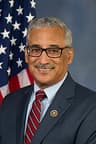
D· Virginia
YRS IN OFFICE
33
BILLS LED
18
COSPONSOR BREAKDOWNBIPARTISAN · 0%
DEM 123 REP 0 IND 0
ACTION TIMELINE
2 EVENTSMAR 6
Introduced in House
MAR 6
Referred to the House Committee on the Judiciary.
BILL INFO
TypeHouse Bill
NumberHR 1954
Congress119th
StatusIn Committee
IntroducedMar 6, 2025
Last actionMar 6, 2025
READER REACTIONS
OVERALL SENTIMENT
No reactions yet. Be the first to weigh in.
Discussion
Loading comments...
IN COMMITTEE· 119TH CONGRESS · JUDICIARY COMMITTEE · INTRODUCED MAR 6, 2025
House BillHR 1954Civil Rights and Liberties, Minority Issues
Do No Harm Act
INTRODUCED MAR 6, 2025· LAST ACTION MAR 6, 2025
PASSAGE CHANCES
—%
READING
3 min
COSPONSORS
123
COMPLEXITY
Moderate