Bills · HR 1918
IN COMMITTEE· 119TH CONGRESS
House BillHR 1918Environmental Protection
Farewell to Foam Act of 2025
INTRO MAR 6· LAST ACTION MAR 6
READING
6MIN
COSPONSORS
86
READER REACTIONS0 TOTAL
NO VOTES YET · BE THE FIRST
- Introduced only
LEGISLATIVE PROGRESS
STEP 2 / 8Introduced
In Committee
Reported
Passed House
Passed Senate
Conference
To President
Became Law
WHAT THE BILL DOES
AI-writtenThis bill matters because expanded polystyrene, or Styrofoam, is a common form of plastic waste that is difficult to recycle and often ends up polluting landfills, waterways, and natural environments. If this bill becomes law, it would significantly reduce the amount of foam plastic waste generated in the U.S., potentially lessening its environmental impact and promoting the use of more sustainable alternatives. This could lead to cleaner public spaces and a reduction in plastic pollution that harms wildlife.
If the bill does not pass, these foam products would continue to be widely available and contribute to the ongoing challenges of waste management and environmental pollution. Voters should care because it addresses a tangible environmental issue—plastic waste—that impacts public health, ecosystems, and the overall cleanliness of communities. The decision to pass or not pass this bill will directly influence the types of materials consumers encounter daily and the environmental legacy of disposable products.
KEY PROVISIONS
5AI-extractedPROVISION 01
Prohibits the sale and distribution of expanded polystyrene food service ware, such as cups, plates, and takeout containers.
This directly targets a major source of single-use plastic waste from the food industry.
PROVISION 02
Bans the sale and distribution of expanded polystyrene loose fill, commonly known as packing peanuts.
This aims to eliminate another pervasive form of non-recyclable plastic packaging material.
PROVISION 03
Prohibits the sale and distribution of expanded polystyrene coolers, with an exception for those used for medical products.
This addresses another common foam product while safeguarding essential medical transport needs.
PROVISION 04
Sets an effective date of January 1, 2028, for all the prohibitions.
This provides a clear timeline for businesses and consumers to transition away from these products.
PROVISION 05
Establishes a penalty system for violations, starting with a warning, then escalating civil fines.
This ensures the prohibitions are enforceable and provides a deterrent against non-compliance.
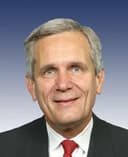
SPONSORSHIP
1 + 86
D· Texas
YRS IN OFFICE
31
BILLS LED
27
COSPONSOR BREAKDOWNBIPARTISAN · 0%
DEM 86 REP 0 IND 0
ACTION TIMELINE
2 EVENTSMAR 6
Introduced in House
MAR 6
Referred to the House Committee on Energy and Commerce.
BILL INFO
TypeHouse Bill
NumberHR 1918
Congress119th
StatusIn Committee
IntroducedMar 6, 2025
Last actionMar 6, 2025
READER REACTIONS
OVERALL SENTIMENT
No reactions yet. Be the first to weigh in.
Discussion
Loading comments...
IN COMMITTEE· 119TH CONGRESS · ENERGY AND COMMERCE COMMITTEE · INTRODUCED MAR 6, 2025
House BillHR 1918Environmental Protection
Farewell to Foam Act of 2025
INTRODUCED MAR 6, 2025· LAST ACTION MAR 6, 2025
PASSAGE CHANCES
—%
READING
6 min
COSPONSORS
86
COMPLEXITY
Moderate