Bills · HR 1913
IN COMMITTEE· 119TH CONGRESS
House BillHR 1913Transportation and Public Works
BLOC Act
INTRO MAR 6· LAST ACTION MAR 7
READING
2MIN
COSPONSORS
0
READER REACTIONS0 TOTAL
NO VOTES YET · BE THE FIRST
- Introduced only
LEGISLATIVE PROGRESS
STEP 2 / 8Introduced
In Committee
Reported
Passed House
Passed Senate
Conference
To President
Became Law
WHAT THE BILL DOES
AI-writtenVoters should care about this bill because it ties local control over immigration policies directly to federal funding for crucial public works. If this bill becomes law, communities that choose not to cooperate with federal immigration enforcement in the specified way could see their federal funding for roads, bridges, and other infrastructure dry up. This could mean fewer jobs, slower economic development, and a decline in the quality of local infrastructure. Conversely, if it doesn't become law, cities and states can continue to set their own policies regarding information sharing with federal immigration authorities without the threat of losing transportation funds.
KEY PROVISIONS
4AI-extractedPROVISION 01
Withholds federal infrastructure funds from states or political subdivisions that do not notify the Secretary of Homeland Security of certain alien releases.
This provision creates a financial incentive for local governments to comply with federal immigration enforcement requests.
PROVISION 02
Requires a state or local government to have a policy in place requiring notification to the Secretary of Homeland Security at least 48 hours before releasing certain aliens.
This standardizes a specific notification process for local jurisdictions regarding certain individuals in federal immigration custody.
PROVISION 03
Specifies that the notification requirement applies only if the alien is determined to be unlawfully present, DHS has already notified the local entity, and the alien has been in custody for at least 48 hours.
These conditions define the specific circumstances under which local governments must share information with federal authorities.
PROVISION 04
Establishes a one-year deadline for states and political subdivisions to implement the required statute, ordinance, policy, or practice.
This provides a clear timeframe for compliance before federal funding is impacted.
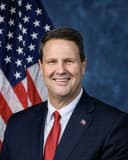
SPONSORSHIP
1 + 0
R· Colorado
YRS IN OFFICE
1
BILLS LED
10
ACTION TIMELINE
4 EVENTSMAR 7
Referred to the Subcommittee on Highways and Transit.
MAR 6
Introduced in House
MAR 6
Referred to the House Committee on Transportation and Infrastructure.
MAR 6
Referred to the House Committee on Transportation and Infrastructure.
BILL INFO
TypeHouse Bill
NumberHR 1913
Congress119th
StatusIn Committee
IntroducedMar 6, 2025
Last actionMar 7, 2026
READER REACTIONS
OVERALL SENTIMENT
No reactions yet. Be the first to weigh in.
Discussion
Loading comments...
IN COMMITTEE· 119TH CONGRESS · TRANSPORTATION AND INFRASTRUCTURE COMMITTEE · INTRODUCED MAR 6, 2025
House BillHR 1913Transportation and Public Works
BLOC Act
INTRODUCED MAR 6, 2025· LAST ACTION MAR 7, 2026
PASSAGE CHANCES
—%
READING
2 min
COSPONSORS
0
COMPLEXITY
Moderate