Bills · HR 1905
IN COMMITTEE· 119TH CONGRESS
House BillHR 1905Taxation
Protecting American Students Act
INTRO MAR 6· LAST ACTION MAR 6
READING
2MIN
COSPONSORS
8
READER REACTIONS0 TOTAL
NO VOTES YET · BE THE FIRST
- Introduced only
LEGISLATIVE PROGRESS
STEP 2 / 8Introduced
In Committee
Reported
Passed House
Passed Senate
Conference
To President
Became Law
WHAT THE BILL DOES
AI-writtenThis bill matters because it could change how much tax wealthy private colleges pay to the federal government. By altering the 'per student' calculation for the endowment tax, it might bring more colleges under the tax's scope or increase the tax burden for institutions already paying it. This could either generate more revenue for the federal government or compel colleges to re-evaluate their financial strategies, potentially impacting tuition rates, scholarship availability, or other university programs.
Voters might care if they believe wealthy institutions should contribute more to federal coffers, or if they are concerned about potential impacts on higher education costs and resources. If this bill becomes law, colleges with many students ineligible for federal aid might find it harder to avoid the tax, aligning the tax more closely with institutions serving a higher proportion of students who may not have access to federal financial support. If it doesn't pass, the current method of calculating the tax remains, potentially allowing some wealthy institutions to pay less in taxes.
KEY PROVISIONS
3AI-extractedPROVISION 01
Excludes students who are not eligible for federal student aid from the student count used to determine if a private college is subject to the 1.4% excise tax on its endowment.
This change directly affects whether a college meets the financial threshold for the tax, potentially making more colleges subject to it or increasing their tax liability.
PROVISION 02
Requires colleges subject to the tax to report the number of students counted both before and after applying this new exclusion.
Increases transparency regarding how the tax is calculated and the impact of the new student exclusion.
PROVISION 03
Sets an effective date for these changes to apply to taxable years beginning after December 31, 2025.
Provides a clear timeline for when colleges must implement the new calculation and reporting requirements.
SPONSORSHIP
1 + 8
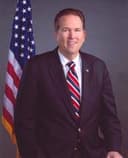
R· Florida
YRS IN OFFICE
19
BILLS LED
46
COSPONSOR BREAKDOWNBIPARTISAN · 0%
DEM 0 REP 8 IND 0
ACTION TIMELINE
2 EVENTSMAR 6
Introduced in House
MAR 6
Referred to the House Committee on Ways and Means.
BILL INFO
TypeHouse Bill
NumberHR 1905
Congress119th
StatusIn Committee
IntroducedMar 6, 2025
Last actionMar 6, 2025
READER REACTIONS
OVERALL SENTIMENT
No reactions yet. Be the first to weigh in.
Discussion
Loading comments...
IN COMMITTEE· 119TH CONGRESS · WAYS AND MEANS COMMITTEE · INTRODUCED MAR 6, 2025
House BillHR 1905Taxation
Protecting American Students Act
INTRODUCED MAR 6, 2025· LAST ACTION MAR 6, 2025
PASSAGE CHANCES
—%
READING
2 min
COSPONSORS
8
COMPLEXITY
Moderate