Bills · HR 1854
IN COMMITTEE· 119TH CONGRESS
House BillHR 1854Agriculture and Food
Climate Agricultural Conservation Practices Act
INTRO MAR 5· LAST ACTION MAR 28
READING
2MIN
COSPONSORS
7
READER REACTIONS0 TOTAL
NO VOTES YET · BE THE FIRST
- Introduced only
LEGISLATIVE PROGRESS
STEP 2 / 8Introduced
In Committee
Reported
Passed House
Passed Senate
Conference
To President
Became Law
WHAT THE BILL DOES
AI-writtenThis bill matters because it updates how the government encourages sustainable farming practices to specifically address climate change. If this bill becomes law, federal conservation programs, which provide technical and financial help to farmers, would likely shift to prioritize practices that offer climate benefits. This means more support for methods like cover cropping, no-till farming, or improved manure management, which can reduce emissions or help farms withstand floods and droughts.
Without this bill, the evaluation of conservation standards might not explicitly or consistently consider climate impacts. By formally requiring the NRCS to evaluate climate benefits, the bill aims to ensure that federal efforts in agricultural conservation are aligned with broader climate goals, potentially leading to more resilient farms and a reduced environmental footprint from the agriculture sector.
KEY PROVISIONS
3AI-extractedPROVISION 01
The Natural Resources Conservation Service (NRCS) must explicitly evaluate the climate benefits of its national conservation practice standards during future reviews.
This ensures that federal guidelines for agricultural land management directly consider their impact on climate change.
PROVISION 02
The bill defines "climate benefit" to include reducing agricultural greenhouse gas emissions, increasing carbon sequestration, and helping farms adapt to or mitigate increased weather volatility.
This provides a clear framework for what the NRCS should assess when evaluating climate benefits.
PROVISION 03
The deadline for the NRCS to complete its comprehensive review of conservation standards is changed to 5 years after this bill's enactment.
This restarts the clock for the agency to incorporate new climate considerations into their review process.
SPONSORSHIP
1 + 7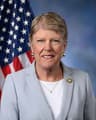
D· California
YRS IN OFFICE
13
BILLS LED
54
COSPONSOR BREAKDOWNBIPARTISAN · 0%
DEM 7 REP 0 IND 0
ACTION TIMELINE
3 EVENTSMAR 28
Referred to the Subcommittee on Conservation, Research, and Biotechnology.
MAR 5
Introduced in House
MAR 5
Referred to the House Committee on Agriculture.
BILL INFO
TypeHouse Bill
NumberHR 1854
Congress119th
StatusIn Committee
IntroducedMar 5, 2025
Last actionMar 28, 2025
READER REACTIONS
OVERALL SENTIMENT
No reactions yet. Be the first to weigh in.
Discussion
Loading comments...
IN COMMITTEE· 119TH CONGRESS · AGRICULTURE COMMITTEE · INTRODUCED MAR 5, 2025
House BillHR 1854Agriculture and Food
Climate Agricultural Conservation Practices Act
INTRODUCED MAR 5, 2025· LAST ACTION MAR 28, 2025
PASSAGE CHANCES
—%
READING
2 min
COSPONSORS
7
COMPLEXITY
Moderate