Bills · HR 1807
IN COMMITTEE· 119TH CONGRESS
House BillHR 1807Government Operations and Politics
Protecting Federal Agencies and Employees from Political Interference Act of 2025
INTRO MAR 3· LAST ACTION MAR 3
READING
1MIN
COSPONSORS
0
READER REACTIONS0 TOTAL
NO VOTES YET · BE THE FIRST
- Introduced only
LEGISLATIVE PROGRESS
STEP 2 / 8Introduced
In Committee
Reported
Passed House
Passed Senate
Conference
To President
Became Law
WHAT THE BILL DOES
AI-writtenVoters should care about this bill because it shifts who gets to decide where major parts of the federal government are located. If this bill passes, the power to move federal agency headquarters and their staff out of the Washington, D.C. area would largely move from the executive branch (the President and their administration) to Congress. This means any future relocation would require a full legislative process, including debates and votes by elected representatives.
If this bill does not pass, the executive branch would retain more authority to unilaterally decide to move agencies or significant parts of them to different states or cities. This bill could prevent future administrations from making such moves without the explicit approval of Congress, ensuring more checks and balances on where federal operations are conducted.
KEY PROVISIONS
3AI-extractedPROVISION 01
Requires all federal agency headquarters currently in the National Capital Region to remain there.
Prevents the executive branch from moving entire agency main offices without specific legislative approval.
PROVISION 02
Requires all federal employee positions currently stationed in the National Capital Region to remain there.
Protects federal workers from being forced to relocate by executive action.
PROVISION 03
Both headquarters and employee positions can only be moved if Congress passes a new law explicitly allowing or requiring the relocation.
Establishes a congressional approval process for all federal office and staff relocations from the capital.
SPONSORSHIP
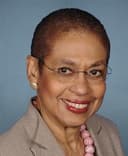
1 + 0
D· District of Columbia
YRS IN OFFICE
35
BILLS LED
114
ACTION TIMELINE
3 EVENTSMAR 3
Sponsor introductory remarks on measure. (CR E175)
MAR 3
Introduced in House
MAR 3
Referred to the House Committee on Oversight and Government Reform.
BILL INFO
TypeHouse Bill
NumberHR 1807
Congress119th
StatusIn Committee
IntroducedMar 3, 2025
Last actionMar 3, 2025
READER REACTIONS
OVERALL SENTIMENT
No reactions yet. Be the first to weigh in.
Discussion
Loading comments...
IN COMMITTEE· 119TH CONGRESS · OVERSIGHT AND GOVERNMENT REFORM COMMITTEE · INTRODUCED MAR 3, 2025
House BillHR 1807Government Operations and Politics
Protecting Federal Agencies and Employees from Political Interference Act of 2025
INTRODUCED MAR 3, 2025· LAST ACTION MAR 3, 2025
PASSAGE CHANCES
—%
READING
1 min
COSPONSORS
0
COMPLEXITY
Moderate