Bills · HR 1738
IN COMMITTEE· 119TH CONGRESS
House BillHR 1738District of ColumbiaRoads and highways
To designate the area of Sumner Row between 16th Street Northwest and L Street Northwest in Washington, District of Columbia, as "Alexei Navalny Way".
INTRO FEB 27· LAST ACTION FEB 27
READING
3MIN
COSPONSORS
1
READER REACTIONS0 TOTAL
NO VOTES YET · BE THE FIRST
- Introduced only
LEGISLATIVE PROGRESS
STEP 2 / 8Introduced
In Committee
Reported
Passed House
Passed Senate
Conference
To President
Became Law
WHAT THE BILL DOES
AI-writtenThis bill matters because it represents a strong symbolic statement from the United States government regarding human rights and political freedom in Russia. By renaming a street near the Russian Embassy after Alexei Navalny, it publicly condemns the actions of the Russian government and honors a figure seen as a champion for democracy and anti-corruption, especially after his death in Russian custody.
If this bill becomes law, it will serve as a constant reminder to Russian diplomats and international visitors in Washington, D.C., of the U.S. stance on the issues highlighted in the bill. If it doesn't pass, the street will retain its current name, and this particular symbolic gesture of solidarity and condemnation will not be made. This type of action is often used in international diplomacy to exert moral pressure without direct military or economic intervention.
KEY PROVISIONS
4AI-extractedPROVISION 01
Designates the area of Sumner Row between 16th Street Northwest and L Street Northwest in Washington, D.C., as "Alexei Navalny Way."
This is the central action of the bill, officially changing the name of a specific street segment near the Russian Embassy to honor a prominent Russian dissident.
PROVISION 02
Requires the District of Columbia to construct and place two street signs displaying "Alexei Navalny Way" at specific locations along the designated area.
This provision ensures the physical manifestation of the name change, making the symbolic gesture visible to the public and the Russian Embassy.
PROVISION 03
Establishes congressional findings outlining the Russian government's human rights abuses, repression of political opponents, and unprovoked military actions.
These findings provide the official justification and context for the street renaming, framing it as a response to specific concerns about Russia's actions.
PROVISION 04
Stipulates that any future official reference to this area in U.S. records will use the new name, "Alexei Navalny Way."
This ensures the formal recognition and permanence of the name change across all federal documents and official communications.
SPONSORSHIP
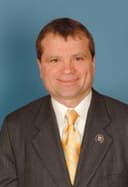
1 + 1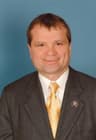
D· Illinois
YRS IN OFFICE
17
BILLS LED
13
COSPONSOR BREAKDOWNBIPARTISAN · 0%
DEM 0 REP 1 IND 0
ACTION TIMELINE
2 EVENTSFEB 27
Introduced in House
FEB 27
Referred to the House Committee on Oversight and Government Reform.
BILL INFO
TypeHouse Bill
NumberHR 1738
Congress119th
StatusIn Committee
IntroducedFeb 27, 2025
Last actionFeb 27, 2025
READER REACTIONS
OVERALL SENTIMENT
No reactions yet. Be the first to weigh in.
Discussion
Loading comments...
IN COMMITTEE· 119TH CONGRESS · OVERSIGHT AND GOVERNMENT REFORM COMMITTEE · INTRODUCED FEB 27, 2025
House BillHR 1738District of ColumbiaRoads and highways
To designate the area of Sumner Row between 16th Street Northwest and L Street Northwest in Washington, District of Columbia, as "Alexei Navalny Way".
INTRODUCED FEB 27, 2025· LAST ACTION FEB 27, 2025
PASSAGE CHANCES
—%
READING
3 min
COSPONSORS
1
COMPLEXITY
Moderate