Bills · HR 1724
PASSED HOUSE· 119TH CONGRESS
House BillHR 1724Labor standardsChina
No Dollars to Uyghur Forced Labor Act
INTRO FEB 27· LAST ACTION MAY 6
READING
3MIN
COSPONSORS
0
READER REACTIONS0 TOTAL
NO VOTES YET · BE THE FIRST
- One chamber only
LEGISLATIVE PROGRESS
STEP 4 / 8Introduced
In Committee
Reported
Passed House
Passed Senate
Conference
To President
Became Law
WHAT THE BILL DOES
AI-writtenThis bill matters because it directly addresses concerns about forced labor and human rights abuses in China's Xinjiang Uyghur Autonomous Region. By preventing U.S. government agencies from using funds for projects that rely on goods from this region or from specific companies, it aims to ensure that American tax dollars do not contribute to or benefit from these practices. If this bill becomes law, it would strengthen the U.S. stance against forced labor and put economic pressure on entities involved in such practices, potentially leading to more ethical global supply chains.
If the bill doesn't become law, the Department of State and USAID would continue to have the discretion to fund programs and contracts that might unknowingly or indirectly use goods connected to forced labor in Xinjiang. This could allow U.S. funds to remain entangled with human rights concerns, which contradicts stated U.S. foreign policy goals regarding human rights. Voters who are concerned about ethical sourcing, human rights, and the responsible use of taxpayer money would find this bill significant.
KEY PROVISIONS
3AI-extractedPROVISION 01
Prohibits the Department of State and USAID from using funds for policies, programs, or contracts that involve goods made in the Xinjiang Uyghur Autonomous Region or by "covered entities."
This directly blocks U.S. funds from potentially supporting forced labor in Xinjiang.
PROVISION 02
Allows the Secretary of State to specifically authorize an otherwise prohibited activity if the partner provides written assurance of no Xinjiang goods and establishes a compliance system, with a 15-day notice to Congress.
Provides a narrow exception for critical activities while maintaining oversight and accountability.
PROVISION 03
Requires the Secretary of State to submit annual reports for three years to Congress detailing any violations, enforcement challenges, and plans to improve compliance.
Ensures ongoing transparency and accountability regarding the bill's effectiveness and challenges.
SPONSORSHIP
1 + 0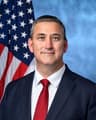
R· Texas
YRS IN OFFICE
3
BILLS LED
25
ACTION TIMELINE
9 EVENTSMAY 6
Received in the Senate and Read twice and referred to the Committee on Foreign Relations.
MAY 5
Mr. Mast moved to suspend the rules and pass the bill, as amended.
MAY 5
Considered under suspension of the rules. (consideration: CR H1833-1834)
MAY 5
DEBATE - The House proceeded with forty minutes of debate on H.R. 1724.
BILL INFO
TypeHouse Bill
NumberHR 1724
Congress119th
StatusPassed House
IntroducedFeb 27, 2025
Last actionMay 6, 2025
READER REACTIONS
OVERALL SENTIMENT
No reactions yet. Be the first to weigh in.
Discussion
Loading comments...
PASSED HOUSE· 119TH CONGRESS · FOREIGN AFFAIRS COMMITTEE · INTRODUCED FEB 27, 2025
House BillHR 1724Labor standardsChina
No Dollars to Uyghur Forced Labor Act
INTRODUCED FEB 27, 2025· LAST ACTION MAY 6, 2025
PASSAGE CHANCES
—%
READING
3 min
COSPONSORS
0
COMPLEXITY
Moderate