Bills · HR 1604
IN COMMITTEE· 119TH CONGRESS
House BillHR 1604Agriculture and Food
Farm and Food Cybersecurity Act of 2025
INTRO FEB 26· LAST ACTION MAR 28
READING
6MIN
COSPONSORS
6
READER REACTIONS0 TOTAL
NO VOTES YET · BE THE FIRST
- Introduced only
LEGISLATIVE PROGRESS
STEP 2 / 8Introduced
In Committee
Reported
Passed House
Passed Senate
Conference
To President
Became Law
WHAT THE BILL DOES
AI-writtenVoters should care about this bill because it directly addresses the security and stability of the food we eat every day. In an increasingly digital world, the systems that produce, process, and deliver food are vulnerable to cyberattacks, which could lead to widespread disruptions, contaminated products, or even economic damage. This bill aims to prevent such scenarios by actively identifying and addressing these risks before they become real problems.
If this bill becomes law, the government and private sector will have a clearer understanding of the vulnerabilities in our food system and be better prepared to respond to major emergencies, whether from cyberattacks or other disruptions. If it doesn't pass, the food supply chain could remain more susceptible to these threats, potentially leading to greater risks for food safety, availability, and national security.
KEY PROVISIONS
4AI-extractedPROVISION 01
Requires the Secretary of Agriculture to conduct a risk assessment every two years on cybersecurity threats and vulnerabilities in the agriculture and food sector.
This ensures ongoing vigilance and identification of new and evolving digital threats to the food supply chain.
PROVISION 02
Mandates a biennial report to Congress on the findings of each cybersecurity risk assessment.
This provides transparency and allows lawmakers to oversee and potentially act on the identified risks and recommendations.
PROVISION 03
Directs the Secretary of Agriculture to conduct an annual cross-sector crisis simulation exercise for five years related to food emergencies or disruptions.
These exercises allow federal agencies, state, local, tribal governments, and private companies to practice their response to major food supply chain crises, improving real-world preparedness.
PROVISION 04
Requires consultation with private sector entities, including the Food and Agriculture-Information Sharing and Analysis Center (ISAC), for both assessments and exercises.
Involving private industry experts ensures that assessments and exercises are realistic and benefit from their specific knowledge of the food supply chain.
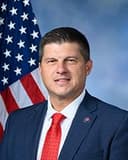
SPONSORSHIP
1 + 6
R· Minnesota
YRS IN OFFICE
4
BILLS LED
35
COSPONSOR BREAKDOWNBIPARTISAN · 33%
DEM 5 REP 1 IND 0
ACTION TIMELINE
3 EVENTSMAR 28
Referred to the Subcommittee on Nutrition and Foreign Agriculture.
FEB 26
Introduced in House
FEB 26
Referred to the House Committee on Agriculture.
BILL INFO
TypeHouse Bill
NumberHR 1604
Congress119th
StatusIn Committee
IntroducedFeb 26, 2025
Last actionMar 28, 2025
READER REACTIONS
OVERALL SENTIMENT
No reactions yet. Be the first to weigh in.
Discussion
Loading comments...
IN COMMITTEE· 119TH CONGRESS · AGRICULTURE COMMITTEE · INTRODUCED FEB 26, 2025
House BillHR 1604Agriculture and Food
Farm and Food Cybersecurity Act of 2025
INTRODUCED FEB 26, 2025· LAST ACTION MAR 28, 2025
PASSAGE CHANCES
—%
READING
6 min
COSPONSORS
6
COMPLEXITY
Moderate