Bills · HR 1598
IN COMMITTEE· 119TH CONGRESS
House BillHR 1598MedicaidDisability and paralysis
Ensuring Access to Medicaid Buy-in Programs Act
INTRO FEB 26· LAST ACTION FEB 26
READING
1MIN
COSPONSORS
1
READER REACTIONS0 TOTAL
NO VOTES YET · BE THE FIRST
- Introduced only
LEGISLATIVE PROGRESS
STEP 2 / 8Introduced
In Committee
Reported
Passed House
Passed Senate
Conference
To President
Became Law
WHAT THE BILL DOES
AI-writtenThis bill matters because it addresses a significant barrier for older working adults with disabilities: the risk of losing essential health insurance coverage once they turn 65. Many people with disabilities want to continue working, but without this change, they might face a difficult choice between maintaining their job and losing vital Medicaid benefits that cover services not fully covered by Medicare, such as personal care services.
If this bill becomes law, it would allow older individuals with disabilities to maintain their independence and continue contributing to the workforce without the fear of a healthcare coverage 'cliff.' If it doesn't become law, the age 65 cutoff would remain in federal statute for these programs, potentially forcing many working adults with disabilities to stop working or face a gap in their comprehensive care.
KEY PROVISIONS
3AI-extractedPROVISION 01
Removes the federal age cap of 65 for working adults with disabilities to be eligible for certain Medicaid buy-in programs.
This allows individuals 65 and older to continue accessing vital Medicaid benefits while working, preventing a loss of coverage solely due to age.
PROVISION 02
Amends specific sections of the Social Security Act (Title XIX) by striking the phrase ", but less than 65," from the eligibility criteria.
This directly changes the federal law that currently imposes the age restriction, enabling states to expand eligibility.
PROVISION 03
Provides states that currently offer these buy-in programs with a grace period until January 1, 2027, to implement the changes without being found non-compliant.
This gives states time to adjust their administrative processes and budgets to accommodate the expanded eligibility without immediate disruption.
SPONSORSHIP
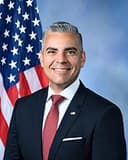
1 + 1
R· Arizona
YRS IN OFFICE
3
BILLS LED
32
COSPONSOR BREAKDOWNBIPARTISAN · 0%
DEM 1 REP 0 IND 0
ACTION TIMELINE
2 EVENTSFEB 26
Introduced in House
FEB 26
Referred to the House Committee on Energy and Commerce.
BILL INFO
TypeHouse Bill
NumberHR 1598
Congress119th
StatusIn Committee
IntroducedFeb 26, 2025
Last actionFeb 26, 2025
READER REACTIONS
OVERALL SENTIMENT
No reactions yet. Be the first to weigh in.
Discussion
Loading comments...
IN COMMITTEE· 119TH CONGRESS · ENERGY AND COMMERCE COMMITTEE · INTRODUCED FEB 26, 2025
House BillHR 1598MedicaidDisability and paralysis
Ensuring Access to Medicaid Buy-in Programs Act
INTRODUCED FEB 26, 2025· LAST ACTION FEB 26, 2025
PASSAGE CHANCES
—%
READING
1 min
COSPONSORS
1
COMPLEXITY
Moderate