Bills · HR 1590
IN COMMITTEE· 119TH CONGRESS
House BillHR 1590Commerce
Rural Innovation and Small Business Support Act
INTRO FEB 26· LAST ACTION FEB 26
READING
2MIN
COSPONSORS
0
READER REACTIONS0 TOTAL
NO VOTES YET · BE THE FIRST
- Introduced only
LEGISLATIVE PROGRESS
STEP 2 / 8Introduced
In Committee
Reported
Passed House
Passed Senate
Conference
To President
Became Law
WHAT THE BILL DOES
AI-writtenVoters should care about this bill because it addresses a potential imbalance in how federal innovation funding is distributed. Currently, many rural small businesses might not be aware of or have easy access to these significant government grants, which are crucial for developing new technologies and creating jobs. If this bill becomes law, it could lead to increased economic activity, more innovative startups, and job growth in rural areas, helping to bridge economic gaps between urban and rural regions.
If the bill does not pass, the existing outreach practices by federal agencies would continue, which may not adequately reach or support rural small businesses. This could mean that innovative ideas in rural communities continue to miss out on federal funding, potentially hindering local economic development and preventing the country from fully leveraging its innovation potential across all regions.
KEY PROVISIONS
3AI-extractedPROVISION 01
Requires federal agencies participating in the SBIR program to enhance their outreach efforts to rural communities.
This directly targets a major federal funding program to ensure rural small businesses are better informed and encouraged to apply.
PROVISION 02
Requires federal agencies participating in the STTR program to enhance their outreach efforts to rural communities.
This extends the same focused outreach to another vital federal program that supports collaboration between small businesses and research institutions.
PROVISION 03
Mandates the Administrator to modify existing policy directives within 90 days of enactment to include these enhanced rural outreach requirements.
This provision sets a clear deadline for the implementation of the new outreach strategies, ensuring prompt action.
SPONSORSHIP
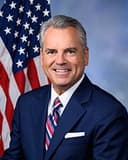
1 + 0
R· Missouri
YRS IN OFFICE
3
BILLS LED
28
ACTION TIMELINE
2 EVENTSFEB 26
Introduced in House
FEB 26
Referred to the Committee on Small Business, and in addition to the Committee on Science, Space, and Technology, for a period to be subsequently determined by the Speaker, in each case for consideration of such provisions as fall within the jurisdiction of the committee concerned.
BILL INFO
TypeHouse Bill
NumberHR 1590
Congress119th
StatusIn Committee
IntroducedFeb 26, 2025
Last actionFeb 26, 2025
READER REACTIONS
OVERALL SENTIMENT
No reactions yet. Be the first to weigh in.
Discussion
Loading comments...
IN COMMITTEE· 119TH CONGRESS · SCIENCE, SPACE, AND TECHNOLOGY COMMITTEE · INTRODUCED FEB 26, 2025
House BillHR 1590Commerce
Rural Innovation and Small Business Support Act
INTRODUCED FEB 26, 2025· LAST ACTION FEB 26, 2025
PASSAGE CHANCES
—%
READING
2 min
COSPONSORS
0
COMPLEXITY
Moderate