Bills · HR 1558
IN COMMITTEE· 119TH CONGRESS
House BillHR 1558Budget processCongressional oversight
Taxpayer Funds Oversight and Accountability Act
INTRO FEB 25· LAST ACTION SEP 15
READING
12MIN
COSPONSORS
18
READER REACTIONS0 TOTAL
NO VOTES YET · BE THE FIRST
- Introduced only
LEGISLATIVE PROGRESS
STEP 2 / 8Introduced
In Committee
Reported
Passed House
Passed Senate
Conference
To President
Became Law
WHAT THE BILL DOES
AI-writtenThis bill matters because it tries to make sure that the vast sums of money collected from taxpayers are spent wisely and accounted for transparently by the federal government. By giving agency Chief Financial Officers more direct control and responsibility over budgeting, preventing waste, and ensuring accurate financial reporting, the bill aims to reduce inefficiencies and mismanagement. If this bill becomes law, taxpayers could see clearer, more public information about how agencies plan to spend their money and whether they are meeting their financial goals, which could increase trust in government operations.
If this bill does not become law, the current system for financial oversight would remain in place. This means that agency CFOs would continue with their existing duties, which are less explicitly defined and don't include the new public planning and coordination requirements. This could lead to less integrated financial management, potentially more room for inefficiencies, and less public access to detailed agency financial strategies and performance metrics, making it harder for voters to track how their money is being used.
KEY PROVISIONS
5AI-extractedPROVISION 01
Expands the core duties of agency Chief Financial Officers (CFOs) to include direct leadership over budget, risk management, internal controls, financial systems, and accounting.
This clarifies and broadens the responsibilities of financial leaders, aiming for more robust financial management across agencies.
PROVISION 02
Requires each agency CFO to create a publicly available 4-year financial management plan for their agency, which must include performance metrics and align with a new government-wide 4-year plan.
This increases transparency and accountability by giving the public and Congress clear, measurable plans for how agencies will manage funds.
PROVISION 03
Mandates that financial reports and progress updates on agency and government-wide financial plans be submitted to Congress, the Comptroller General, and made publicly available.
This significantly boosts transparency, allowing greater scrutiny of how federal agencies spend taxpayer dollars.
PROVISION 04
Requires agency CFOs to coordinate strategic planning, performance measurement, and risk management with other senior agency leaders (e.g., Chief Data, Information, Performance Officers).
This promotes a more integrated approach to agency operations, linking financial decisions with overall agency strategy and outcomes.
PROVISION 05
Changes the government-wide financial management plan from a 5-year to a 4-year plan, emphasizing that it should be strategic, comprehensive, and cost-effective.
This updates the overarching financial strategy for the entire federal government, aligning it with a more focused timeframe and clearer objectives.
SPONSORSHIP
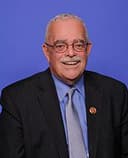
1 + 18
D· Virginia
YRS IN OFFICE
17
BILLS LED
27
COSPONSOR BREAKDOWNBIPARTISAN · 0%
DEM 18 REP 0 IND 0
ACTION TIMELINE
3 EVENTSSEP 15
ASSUMING FIRST SPONSORSHIP - Mr. Min asked unanimous consent that he may hereafter be considered as the first sponsor of H.R. 1558, a bill originally introduced by Representative Connolly, for the purpose of adding cosponsors and requesting reprintings pursuant to clause 7 of rule XII. Agreed to without objection.
FEB 25
Introduced in House
FEB 25
Referred to the House Committee on Oversight and Government Reform.
BILL INFO
TypeHouse Bill
NumberHR 1558
Congress119th
StatusIn Committee
IntroducedFeb 25, 2025
Last actionSep 15, 2025
READER REACTIONS
OVERALL SENTIMENT
No reactions yet. Be the first to weigh in.
Discussion
Loading comments...
IN COMMITTEE· 119TH CONGRESS · OVERSIGHT AND GOVERNMENT REFORM COMMITTEE · INTRODUCED FEB 25, 2025
House BillHR 1558Budget processCongressional oversight
Taxpayer Funds Oversight and Accountability Act
INTRODUCED FEB 25, 2025· LAST ACTION SEP 15, 2025
PASSAGE CHANCES
—%
READING
12 min
COSPONSORS
18
COMPLEXITY
Moderate