Bills · HR 1521
IN COMMITTEE· 119TH CONGRESS
House BillHR 1521Civil actions and liabilityHealth care coverage and access
DOC Access Act of 2025
INTRO FEB 24· LAST ACTION FEB 24
READING
6MIN
COSPONSORS
119BIPARTISAN
READER REACTIONS0 TOTAL
NO VOTES YET · BE THE FIRST
- Introduced only
LEGISLATIVE PROGRESS
STEP 2 / 8Introduced
In Committee
Reported
Passed House
Passed Senate
Conference
To President
Became Law
WHAT THE BILL DOES
AI-writtenThis bill matters because it could change how much you pay for certain dental and vision services and how your dentist or eye doctor operates. If it becomes law, it could mean that for services your insurance doesn't cover (like a specific type of elective vision procedure or a non-standard dental treatment), your in-network provider could charge you their regular price instead of a potentially lower network rate. This might lead to higher out-of-pocket costs for those specific non-covered items, but it also gives providers more control over their pricing and business decisions.
For providers, it means more professional autonomy regarding their choice of materials and suppliers, and more leverage in their contract negotiations with insurance companies. If it doesn't become law, the current system would largely remain in place, where insurance companies may continue to influence pricing for non-covered services and contractual terms for network providers.
KEY PROVISIONS
5AI-extractedPROVISION 01
Allows dentists and optometrists to charge their usual, undiscounted rates for services not covered by a patient's insurance plan.
This means patients might pay more out-of-pocket for non-covered services, but gives providers more control over their pricing.
PROVISION 02
Requires dental and vision plans to allow providers to charge only the contracted network fee for dental cleanings, even if a patient has exceeded their annual maximum benefits.
This ensures that a common preventive service remains affordable at the network rate, regardless of other benefit usage.
PROVISION 03
Limits contract extensions between providers and limited-scope dental/vision plans to require explicit provider acceptance for terms longer than two years.
This gives dentists and optometrists more power in negotiating their agreements and prevents them from being automatically locked into long-term contracts.
PROVISION 04
Prevents insurance plans from restricting or limiting the laboratories or suppliers that a dentist or optometrist may choose for services and materials.
This allows providers to select the best materials or services for their patients based on professional judgment, not insurance mandates.
PROVISION 05
States retain exclusive authority to enforce these provisions, and existing state laws that conflict with these federal changes will take precedence.
This ensures that state-specific regulations and consumer protections for dental and vision plans are preserved.
SPONSORSHIP
1 + 119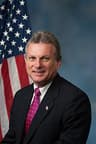
R· Georgia
YRS IN OFFICE
11
BILLS LED
63
COSPONSOR BREAKDOWNBIPARTISAN · 86%
DEM 68 REP 51 IND 0
ACTION TIMELINE
2 EVENTSFEB 24
Introduced in House
FEB 24
Referred to the House Committee on Energy and Commerce.
BILL INFO
TypeHouse Bill
NumberHR 1521
Congress119th
StatusIn Committee
IntroducedFeb 24, 2025
Last actionFeb 24, 2025
READER REACTIONS
OVERALL SENTIMENT
No reactions yet. Be the first to weigh in.
Discussion
Loading comments...
IN COMMITTEE· 119TH CONGRESS · ENERGY AND COMMERCE COMMITTEE · INTRODUCED FEB 24, 2025
House BillHR 1521Civil actions and liabilityHealth care coverage and access
DOC Access Act of 2025
INTRODUCED FEB 24, 2025· LAST ACTION FEB 24, 2025
PASSAGE CHANCES
—%
READING
6 min
COSPONSORS
119
COMPLEXITY
Moderate