Bills · HR 1492
IN COMMITTEE· 119TH CONGRESS
House BillHR 1492MedicareHealth care costs and insurance
To amend title XI of the Social Security Act to equalize the negotiation period between small-molecule and biologic candidates under the Drug Price Negotiation Program.
INTRO FEB 21· LAST ACTION FEB 21
READING
1MIN
COSPONSORS
68
READER REACTIONS0 TOTAL
NO VOTES YET · BE THE FIRST
- Introduced only
LEGISLATIVE PROGRESS
STEP 2 / 8Introduced
In Committee
Reported
Passed House
Passed Senate
Conference
To President
Became Law
WHAT THE BILL DOES
AI-writtenThis bill matters because it directly impacts when Medicare can start negotiating lower prices for many prescription drugs. If passed, it would delay the point at which the government can reduce the cost of small-molecule drugs by four years. This delay could mean that millions of Americans on Medicare continue to pay higher prices for these medications for a longer period, affecting their budgets and access to necessary treatments.
For pharmaceutical companies, the change could mean extended periods of higher profits, which they argue supports continued research and development. However, for voters, it directly translates to whether their government can achieve drug cost savings sooner or later, affecting both individual healthcare expenses and the overall national healthcare budget. If this bill becomes law, the anticipated savings from the IRA's drug price negotiation program would likely be reduced.
KEY PROVISIONS
2AI-extractedPROVISION 01
The bill changes the period before small-molecule drugs are eligible for Medicare price negotiation from 7 years to 11 years.
This extends the market exclusivity for these drugs, delaying when Medicare can negotiate lower prices.
PROVISION 02
This amendment would apply retroactively, meaning it would take effect as if it was part of the original Inflation Reduction Act.
This means the change would affect drugs that are already on the market and previously subject to the 7-year rule, potentially delaying negotiation eligibility for them.
SPONSORSHIP
1 + 68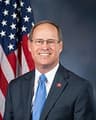
R· North Carolina
YRS IN OFFICE
7
BILLS LED
41
COSPONSOR BREAKDOWNBIPARTISAN · 12%
DEM 4 REP 64 IND 0
ACTION TIMELINE
2 EVENTSFEB 21
Introduced in House
FEB 21
Referred to the Committee on Energy and Commerce, and in addition to the Committee on Ways and Means, for a period to be subsequently determined by the Speaker, in each case for consideration of such provisions as fall within the jurisdiction of the committee concerned.
BILL INFO
TypeHouse Bill
NumberHR 1492
Congress119th
StatusIn Committee
IntroducedFeb 21, 2025
Last actionFeb 21, 2025
READER REACTIONS
OVERALL SENTIMENT
No reactions yet. Be the first to weigh in.
Discussion
Loading comments...
IN COMMITTEE· 119TH CONGRESS · WAYS AND MEANS COMMITTEE · INTRODUCED FEB 21, 2025
House BillHR 1492MedicareHealth care costs and insurance
To amend title XI of the Social Security Act to equalize the negotiation period between small-molecule and biologic candidates under the Drug Price Negotiation Program.
INTRODUCED FEB 21, 2025· LAST ACTION FEB 21, 2025
PASSAGE CHANCES
—%
READING
1 min
COSPONSORS
68
COMPLEXITY
Moderate