Bills · HR 1467
IN COMMITTEE· 119TH CONGRESS
House BillHR 1467State and local government operationsElections, voting, political campaign regulation
POLE Act
INTRO FEB 21· LAST ACTION FEB 21
READING
3MIN
COSPONSORS
1
READER REACTIONS0 TOTAL
NO VOTES YET · BE THE FIRST
- Introduced only
LEGISLATIVE PROGRESS
STEP 2 / 8Introduced
In Committee
Reported
Passed House
Passed Senate
Conference
To President
Became Law
WHAT THE BILL DOES
AI-writtenVoters should care about this bill because it attempts to change how local elections are conducted, potentially making it easier for people to focus on community-specific issues and candidates. If this bill becomes law, and states adapt, local elections might become more prominent, leading to more informed voting decisions for mayors, city council members, and school board officials—leaders who directly impact daily life.
However, it also represents a significant use of federal financial leverage to influence state election laws, which could be seen as federal overreach into matters traditionally managed by states. If the bill doesn't pass, states would continue to determine their own election calendars without federal financial pressure, and many local elections would likely remain bundled with larger, higher-profile federal and state races, potentially receiving less voter attention.
KEY PROVISIONS
5AI-extractedPROVISION 01
Prohibits federal funds for election administration in states that do not allow local governments to hold local elections in odd-numbered years.
This provision creates a financial incentive for states to change their laws regarding local election timing.
PROVISION 02
Amends the Help America Vote Act of 2002 to include this new requirement.
This integrates the new funding condition into existing federal election law.
PROVISION 03
States that do not allow odd-numbered year local elections would lose federal funds for administering any elections (federal, state, or local).
This clarifies the broad impact of the funding cut-off for non-compliant states.
PROVISION 04
The changes will take effect starting with federal fiscal year 2027.
This gives states a clear deadline to adjust their laws before federal funding is affected.
PROVISION 05
Congress states that holding local elections in odd-numbered years allows for greater focus on local issues and candidates.
This establishes the rationale and intended positive outcomes behind the proposed changes.
SPONSORSHIP
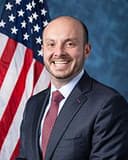
1 + 1
R· New York
YRS IN OFFICE
5
BILLS LED
40
COSPONSOR BREAKDOWNBIPARTISAN · 0%
DEM 0 REP 1 IND 0
ACTION TIMELINE
2 EVENTSFEB 21
Introduced in House
FEB 21
Referred to the House Committee on House Administration.
BILL INFO
TypeHouse Bill
NumberHR 1467
Congress119th
StatusIn Committee
IntroducedFeb 21, 2025
Last actionFeb 21, 2025
READER REACTIONS
OVERALL SENTIMENT
No reactions yet. Be the first to weigh in.
Discussion
Loading comments...
IN COMMITTEE· 119TH CONGRESS · COMMITTEE ON HOUSE ADMINISTRATION · INTRODUCED FEB 21, 2025
House BillHR 1467State and local government operationsElections, voting, political campaign regulation
POLE Act
INTRODUCED FEB 21, 2025· LAST ACTION FEB 21, 2025
PASSAGE CHANCES
—%
READING
3 min
COSPONSORS
1
COMPLEXITY
Moderate