Bills · HR 1460
IN COMMITTEE· 119TH CONGRESS
House BillHR 1460Government buildings, facilities, and propertyDistrict of Columbia
Drain the Swamp Act of 2025
INTRO FEB 21· LAST ACTION FEB 21
READING
2MIN
COSPONSORS
0
READER REACTIONS0 TOTAL
NO VOTES YET · BE THE FIRST
- Introduced only
LEGISLATIVE PROGRESS
STEP 2 / 8Introduced
In Committee
Reported
Passed House
Passed Senate
Conference
To President
Became Law
WHAT THE BILL DOES
AI-writtenThis bill matters because it proposes a dramatic restructuring of the federal government's physical footprint, moving power and jobs away from the nation's capital. If passed, it would fundamentally change the landscape of federal employment, potentially creating economic booms in new regions while significantly altering the D.C. area's economy.
Voters should care because it could impact government efficiency, costs, and the relationship between federal agencies and the citizens they serve by decentralizing operations. If it doesn't pass, the status quo remains, with the vast majority of federal agencies and their staff concentrated in and around Washington, D.C., maintaining the current economic and political dynamics of the capital region.
KEY PROVISIONS
5AI-extractedPROVISION 01
Requires executive agencies to submit a plan by September 30, 2026, to relocate their headquarters outside the Washington D.C. metropolitan area.
This sets a firm deadline for the initial step of moving federal operations and begins the process of decentralizing government agencies.
PROVISION 02
Mandates that relocation plans ensure no more than 10% of an agency's employees remain in the Washington D.C. area after the move.
This provision ensures a substantial dispersal of federal jobs and presence, rather than just a symbolic move of a main office.
PROVISION 03
Requires the full implementation of agency relocation plans by September 30, 2030.
This establishes a deadline for the complete physical relocation of agencies, providing a timeline for a significant change in government structure.
PROVISION 04
Repeals existing laws that might require certain federal agency headquarters to be located in the Washington D.C. metropolitan area.
This removes legal obstacles that would prevent agencies from relocating and ensures they have the authority to move.
PROVISION 05
Requires that relocation plans maximize potential cost savings and consider any national security implications.
These criteria aim to make the moves fiscally responsible and safe, addressing practical concerns of such a large-scale undertaking.
SPONSORSHIP
1 + 0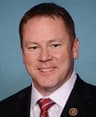
R· Ohio
YRS IN OFFICE
10
BILLS LED
43
ACTION TIMELINE
2 EVENTSFEB 21
Introduced in House
FEB 21
Referred to the House Committee on Oversight and Government Reform.
BILL INFO
TypeHouse Bill
NumberHR 1460
Congress119th
StatusIn Committee
IntroducedFeb 21, 2025
Last actionFeb 21, 2025
READER REACTIONS
OVERALL SENTIMENT
No reactions yet. Be the first to weigh in.
Discussion
Loading comments...
IN COMMITTEE· 119TH CONGRESS · OVERSIGHT AND GOVERNMENT REFORM COMMITTEE · INTRODUCED FEB 21, 2025
House BillHR 1460Government buildings, facilities, and propertyDistrict of Columbia
Drain the Swamp Act of 2025
INTRODUCED FEB 21, 2025· LAST ACTION FEB 21, 2025
PASSAGE CHANCES
—%
READING
2 min
COSPONSORS
0
COMPLEXITY
Moderate