Bills · HR 146
IN COMMITTEE· 119TH CONGRESS
House BillHR 146Interest, dividends, interest ratesBanking and financial institutions regulation
Prohibition on IOER Act of 2025
INTRO JAN 3· LAST ACTION JAN 3
READING
1MIN
COSPONSORS
0
READER REACTIONS0 TOTAL
NO VOTES YET · BE THE FIRST
- Introduced only
LEGISLATIVE PROGRESS
STEP 2 / 8Introduced
In Committee
Reported
Passed House
Passed Senate
Conference
To President
Became Law
WHAT THE BILL DOES
AI-writtenThis bill matters because it changes a significant tool the Federal Reserve uses to manage the economy, specifically controlling interest rates and encouraging or discouraging lending. When the Fed pays interest on excess reserves, it can influence how much money banks are willing to lend out versus how much they prefer to keep safely at the Fed.
If this bill becomes law, banks might have a greater incentive to lend their money out rather than holding it with the Fed for free. This could potentially increase the amount of money circulating in the economy, impacting inflation or economic growth. If it doesn't pass, the Federal Reserve will continue to use interest on excess reserves as a monetary policy tool, giving banks an incentive to hold onto additional cash.
KEY PROVISIONS
3AI-extractedPROVISION 01
Prohibits Federal Reserve banks from paying interest on excess reserves.
This is the core change, eliminating a significant payment mechanism from the Federal Reserve to financial institutions.
PROVISION 02
Amends Section 19(b)(12) of the Federal Reserve Act to reflect this prohibition.
This provision provides the legal basis for the change by updating the specific law governing Federal Reserve operations.
PROVISION 03
Clarifies that Federal Reserve banks may only pay earnings on balances of *required* reserves, not on any other funds.
This ensures that the prohibition is clearly defined, allowing interest only on the mandatory minimum balances.
SPONSORSHIP
1 + 0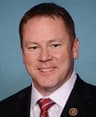
R· Ohio
YRS IN OFFICE
10
BILLS LED
43
ACTION TIMELINE
3 EVENTSJAN 3
Introduced in House
JAN 3
Introduced in House
JAN 3
Referred to the House Committee on Financial Services.
BILL INFO
TypeHouse Bill
NumberHR 146
Congress119th
StatusIn Committee
IntroducedJan 3, 2025
Last actionJan 3, 2025
READER REACTIONS
OVERALL SENTIMENT
No reactions yet. Be the first to weigh in.
Discussion
Loading comments...
IN COMMITTEE· 119TH CONGRESS · FINANCIAL SERVICES COMMITTEE · INTRODUCED JAN 3, 2025
House BillHR 146Interest, dividends, interest ratesBanking and financial institutions regulation
Prohibition on IOER Act of 2025
INTRODUCED JAN 3, 2025· LAST ACTION JAN 3, 2025
PASSAGE CHANCES
—%
READING
1 min
COSPONSORS
0
COMPLEXITY
Moderate